

When electrical outlets stop working, start by checking for tripped circuit breakers or blown fuses in your electrical panel. Examine the outlet for any damage, loose connections, or indications of overheating.
Plugging a device into another outlet can verify if the problem is isolated. If the outlet is a GFCI, give the reset button a try. For ongoing issues, contact us at Big Easy Electricians, in this case, to be safe.

So your outlet may have gone dead for a number of reasons. What is very important is the cause of the dead outlet, so it should be restored, and safety maintained. Familiarize yourself with the common causes why your outlet stopped working.
One of the more common reasons for dead outlets would be the tripped circuit breakers that cut power in case of overloaded circuits. Therefore, if several outlets have stopped working simultaneously, check your electrical panel for switches that are in the ‘OFF’ position or stuck halfway between on and off. This is usually reset, but if it keeps happening, you might have an overload on that circuit or appliances that are faulty.
If one outlet is working while the other one is not, check for intermediate switches, as half-hot outlets can be confusing since they are designed to become confused.
If a GFCI outlet fails, you will find a small reset button on the face and should press it. It is not uncommon for one GFCI outlet to control the power to multiple regular outlets, so a reset could bring nearby dead outlets back to life. Perform regular checks on GFCIs for your safety!
Loose or disconnected wires can disrupt electrical flow, which is more common in older homes, especially those built before the 1970s. If you suspect loose wiring, turn off the power at the breaker and have the connections checked. If you’re not comfortable handling electrical work, hire a licensed professional.
Receptacles usually wear out since they are mainly located in high-traffic areas. Such worn-out receptacles cause loose connections, which then may lead to erratic power. Check your outlets once a year for burn marks, cracks, or loose parts. Use a multimeter to test the outlet; if it reads between 110 and 120, it indicates working; any lower counts mean it needs to be changed.

When an outlet stops working, the first available cause should be addressed. It could be a minor problem or one with considerable hazards, including electrical hazards that could lead to fires and tripping circuits. Here is the guide on how to do this.
Use a different device to check if it is the outlet at fault or the appliance. If the second device works, the appliance in question is probably faulty. If the second device doesn’t work either, then check with a non-contact voltage tester for the presence of power in the outlet.
Some outlets are controlled by wall switches. Flip any nearby switches back and forth and test the outlet again with a working device.
This could mean a tripped circuit breaker cut power to the outlet. Locate your breaker box, reset any tripped breakers, and if it trips again, call a licensed electrician.
If the outlet protection is under a GFCI, look for its reset button and press it. If it won’t reset, or you don’t want to reset, consult an electrician.
Burn marks and buzzing noises, or any signs of overheating: if you see any damage or if the outlet is older than 15 to 25 years, stop using it. In any case, consider replacing it with a new one, which could cost you from $100 to $500.
A dead outlet may very well indicate serious problems that can safely go beyond simple repair. Although some of these homeowner issues might be more easily diagnosed and rectified, hiring a firefighter or, better yet, a licensed electrician would be the safest alternative in case there is an electrical problem. If you have checked your circuit breaker or possibly reset that GFCI outlet, and you still don’t have power, your repair may cover more kitchen sink issues, such as damaged wiring or faulty wiring. Things to fix if you don’t know how: it will lead to electrical fires and shock.
Older wiring systems like knob and tube and aluminum, which are not capable of carrying present electrical loads, should be considered a fire hazard from a professional viewpoint. Also, electrical panels in the old style in older homes, designed for overloads, can very easily cause trips. An electrician would know when an upgrade or replacement is needed, especially in multi-unit buildings where poor repairs risk the safety of several tenants.
There are multiple reasons an outlet can fail, with tripped circuits and loose wiring being just two. A few simple tests, like confirming the circuit breaker or resetting the GFCI outlet, could rescue the day, but a few require professional help.
Do not neglect the signs of wiring damage or overloaded circuits by any means, for these can become hazardous if left unattended. You always think about hiring a licensed electrician for safety and peace of mind. They will be able to identify and solve problems in due time.
When it comes to an area of concern, make safety the priority for your home and family. If you have troublesome outlets or electrical concerns, contact us at Big Easy Electricians.
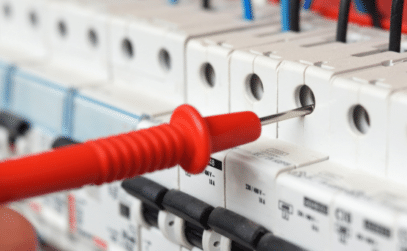
Knowing the Electrical Codes and Regulations is essential for any household in New Orleans. Adherence to legal mandates, safety, and efficiency are guaranteed by compliance. Homeowners can make wis...
Read More
Lightning strikes are powerful events that can cause lasting electrical issues in homes. While the flash and sound are dramatic, the true risks often remain hidden in wiring and electrical systems....
Read More
Power surges happen more often than you might think, and they can do some serious damage to your home’s electronics. Whether it’s your fridge, computer, or home theater system, a surge can cause co...
Read More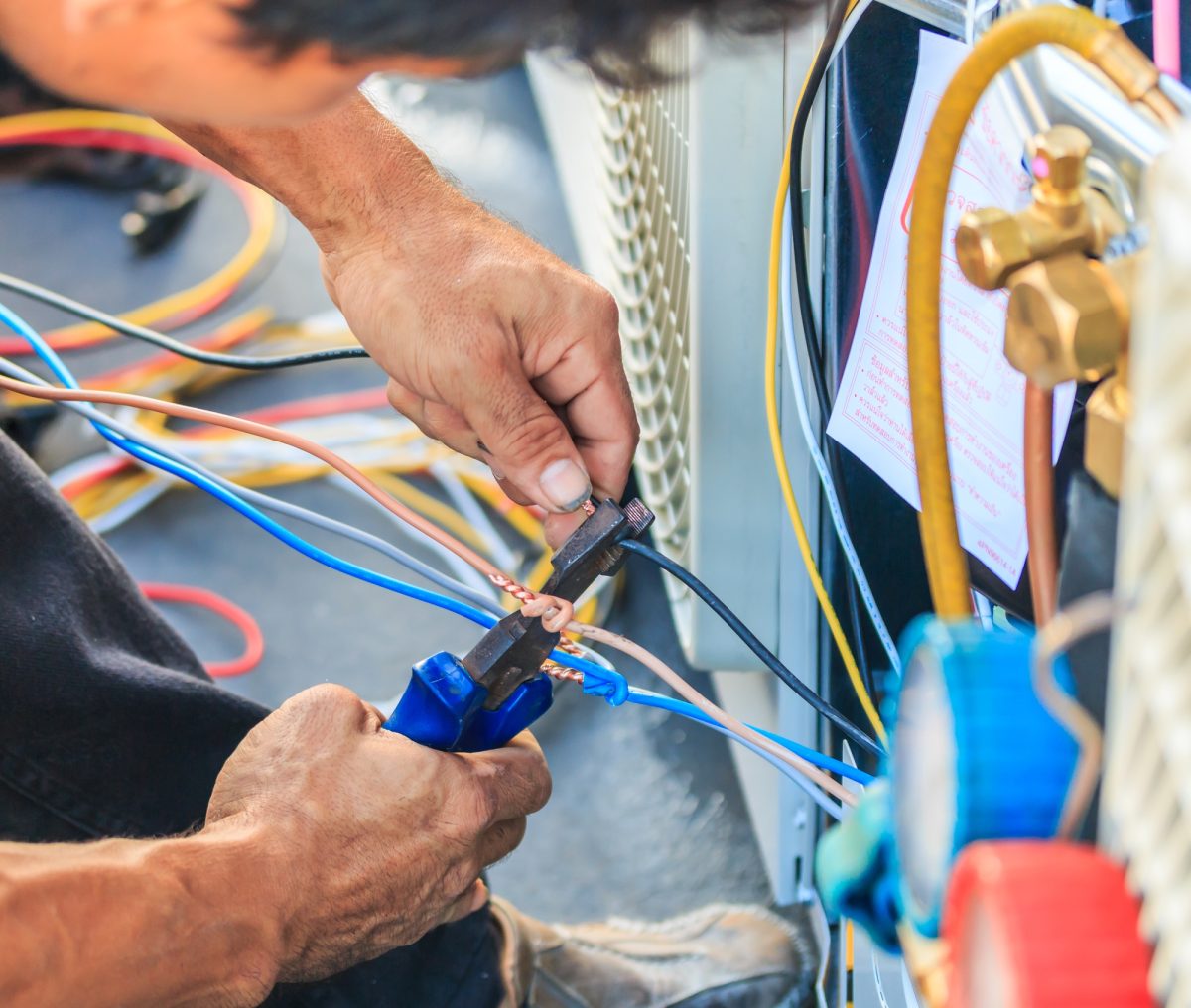
Electrical inspections in New Orleans homes are often overlooked in comparison to other home improvement projects. Yet, they play a crucial role in ensuring the safety and efficiency of a home's el...
Read More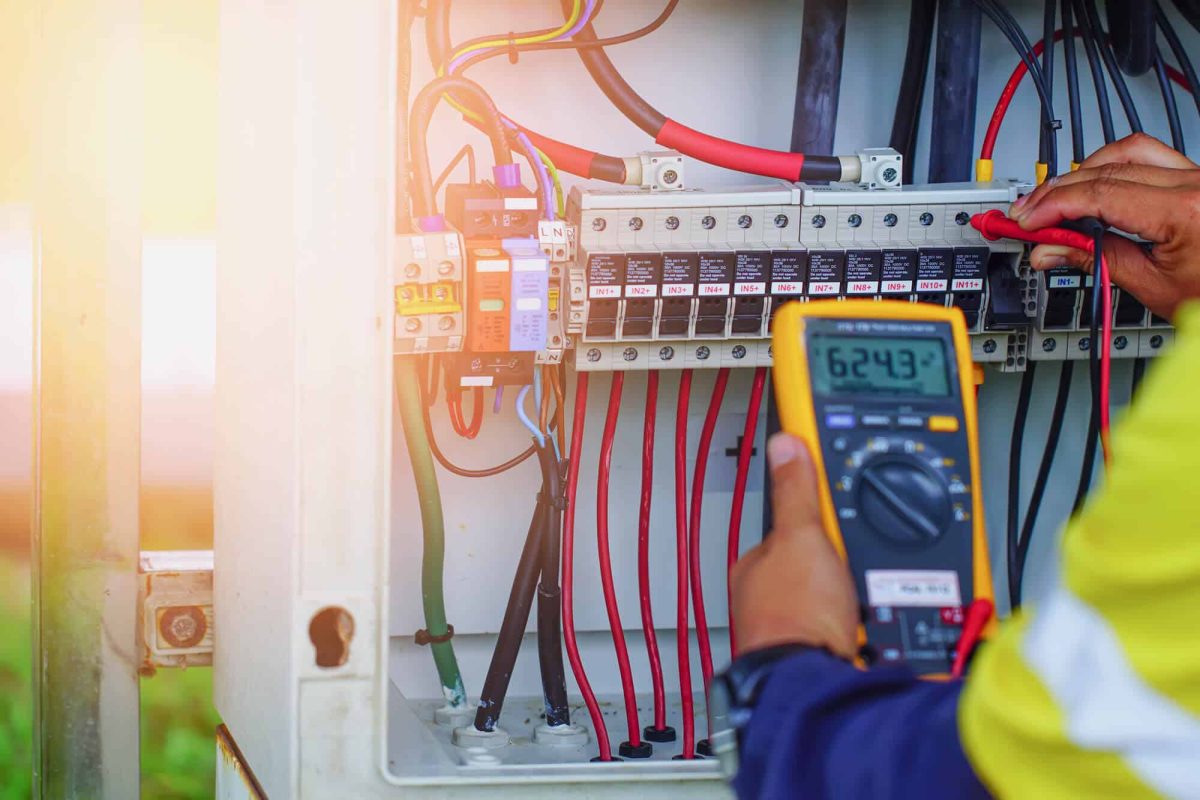
This knowledge of the 2025 cost of electrical upgrades will help you budget better. The increasing need for energy efficiency and smart home technology is fueling these expenses. Prices differ base...
Read More
Table of Contents Key Takeaways Understanding Electrical Hazards Recognize Common Electrical Hazards Risks of Aging or Faulty Wiring How to Improve Electrical Safety at Home R...
Read More


 By Admin
  Sep 14, 2025