

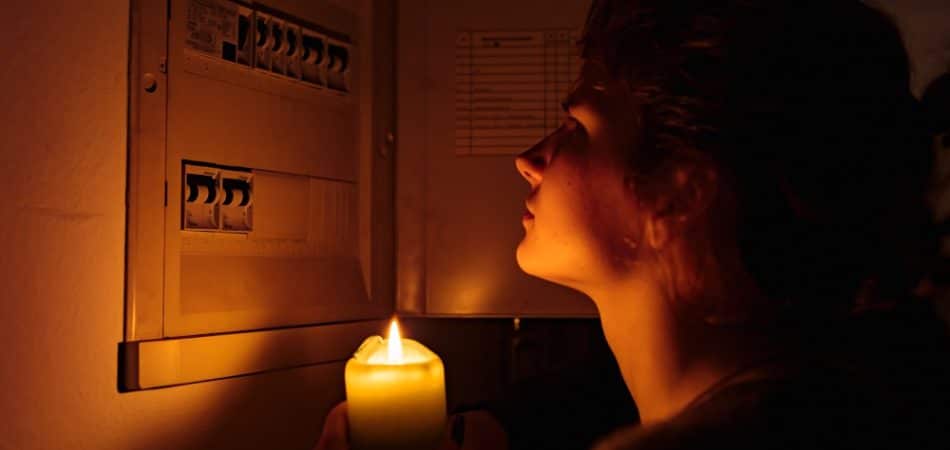
When the power goes out, the first steps you should take are to ensure safety, determine the cause, protect your appliances, and conserve food. Start by checking that your family is safe, using flashlights instead of candles, and keeping refrigerator doors closed.
A power outage can happen at any time, whether from a tripped breaker, a utility failure, storm damage, or a wiring fault inside your home or building. In the Gulf South, where hurricane season runs from June through November and summer thunderstorms are frequent, outages are a fact of life.
What you do in the first few minutes matters, both for your safety and for getting power restored as quickly as possible. At Big Easy Electricians, we serve residential and commercial customers across New Orleans and the surrounding Gulf South region.
If your power is out and you are not sure where to start, contact us today for fast, professional help.
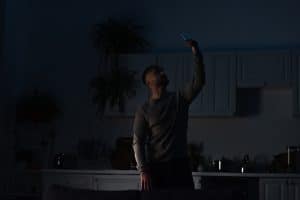 Stay calm and prioritize safety right away. Turn off or unplug major appliances to prevent damage from a surge when electricity returns, and grab a flashlight or battery-powered light source so you are not navigating your home or building in the dark.
Your first action should be to confirm whether the outage is limited to your property or affects the broader area. Look outside to see if neighboring homes or businesses have power, or check Entergy Louisiana’s outage map online. If the outage is area-wide, contact your utility provider and wait for their restoration timeline. If your neighbors have power and you do not, the problem is likely inside your electrical system.
A quick check of your surroundings tells you whether to call your utility company or an electrician. If nearby properties have power and yours does not, the cause is almost certainly inside your electrical system, and your circuit breaker panel is the first place to check.
Start by looking at your utility meter on the outside of your building. If the meter is dark or shows no reading, contact Entergy Louisiana or your local utility, as the problem is on their end. If the meter appears normal, head to your electrical panel inside and look for any breakers that have tripped to the off position or are stuck halfway between on and off.
Your electrical panel is the control center for your home or building’s power. Open the panel door and scan for any breaker that is not fully in the on position, as a tripped breaker will sit visibly out of alignment or in the middle position.
If all breakers are in the on position and power is still out, the issue may be with your main breaker, a loose connection inside the panel, or a fault in the wiring feeding your home. This is the point where a licensed electrical troubleshooting professional should take over. Do not guess at a fix inside a live panel.
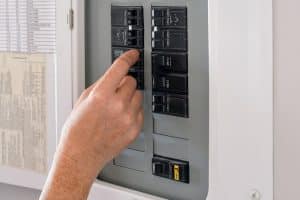 Resetting a single tripped breaker is generally safe as long as there is no visible damage, no burning smell, and the breaker does not trip again right after being reset. If any of those warning signs are present, stop immediately and call a licensed electrician.
A breaker that trips repeatedly is a signal that something is wrong. It may indicate an overloaded circuit, a short circuit, or a ground fault, and each of those causes requires a different fix.
Attempting to force a breaker back on without knowing which problem you are dealing with can cause further damage or create a fire hazard. The right move is to leave the breaker off and schedule electrical repairs with a licensed professional.
Call a licensed electrician if you smell burning near the panel or an outlet, see scorch marks or discoloration, notice that power keeps cutting out in the same part of your home, or if the main breaker itself has tripped. These are not situations to troubleshoot on your own.
Older homes in New Orleans, particularly those with original knob-and-tube wiring or aluminum wiring from the 1960s and 1970s, are especially prone to these failure patterns. Scheduling routine electrical maintenance before problems develop is the most reliable way to avoid an unexpected outage and the safety risks that come with one.
Commercial power loss carries higher stakes than a residential outage, and businesses should respond systematically. The first priority is protecting sensitive equipment from voltage spikes, followed by checking the commercial panel and confirming whether the issue is internal or utility-related.

Power down sensitive equipment: Shut off servers, POS systems, commercial refrigeration units, and HVAC systems before power fluctuates further. Voltage spikes during restoration can damage equipment that would otherwise survive the outage itself.
If the outage affects only part of your building, do not attempt to restore full power without a professional assessment. Partial outages in commercial properties often point to a failing breaker, a wiring fault, or an overloaded distribution panel. Downtime is expensive, and a proper diagnosis upfront costs far less than the damage a forced reset can cause to commercial equipment or wiring.
Knowing the right steps when the power goes out protects your appliances, keeps your household or team safe, and often gets your power back faster. Most outages come down to a tripped breaker or an external utility issue, but some point to deeper wiring problems that a professional needs to find and fix before power can be safely restored.
At Big Easy Electricians, we are New Orleans’ trusted electrical contractor with over 30 years of experience serving homes and businesses across the Greater New Orleans area. Call us at 504-226-7555 for emergency electrical service or a free estimate.
Check whether the outage is limited to your property by looking at neighboring homes or businesses. If only your building is affected, go to your electrical panel and look for a tripped circuit breaker. If the outage is area-wide, contact Entergy Louisiana or your utility provider to report the outage and get an estimated restoration time.
Turn off the lights and appliances connected to that circuit first. Then push the tripped breaker firmly to the full off position before flipping it back to on. If the breaker trips again immediately, do not keep resetting it. Repeated tripping indicates an underlying problem that requires a licensed electrician.
Yes. Power surges that occur when electricity is restored can damage appliances and electronics. Unplugging major devices before power comes back is a simple precaution. Whole-home surge protectors, installed at the electrical panel by a licensed electrician, provide ongoing protection against voltage spikes year-round.
A single room losing power is almost always caused by a tripped circuit breaker or a tripped GFCI outlet. Check your electrical panel for any breaker in the middle or off position. Also check nearby bathrooms, kitchens, or garages for GFCI outlets with a small reset button on the face, as one tripped GFCI can cut power to several downstream outlets.
If your neighbors have power and you do not, you should call an electrician right away rather than waiting. Internal electrical faults do not resolve on their own. If the outage is area-wide from a utility issue, wait for your utility provider to restore service. If power is not restored within a reasonable window, or if you notice signs of electrical damage, call a licensed electrician for an inspection.
Call your utility company if the outage affects your entire neighborhood or block. Call a licensed electrician if only your property is affected, if your breakers keep tripping, if you smell burning near your panel or outlets, or if power was lost during or after a storm that may have damaged your wiring.
Keep your refrigerator and freezer doors closed to preserve food. According to the CDC, an unopened refrigerator holds safe temperatures for about four hours, while a full freezer holds for up to 48 hours. Use battery-powered LED lighting rather than candles to reduce fire risk. If you use a generator, run it outside and away from windows to prevent carbon monoxide buildup, as the CDC warns that generator fumes are a leading cause of CO poisoning during power outages.
Table of Contents Key Takeaways Understanding Electrical Hazards Recognize Common Electrical Hazards Risks of Aging or Faulty Wiring How to Improve Electrical Safety at Home R...
Read More
Lightning strikes are powerful events that can cause lasting electrical issues in homes. While the flash and sound are dramatic, the true risks often remain hidden in wiring and electrical systems....
Read More
Table of Contents Key Takeaways What is a Subpanel? The Main Hub The Local Branch When to Install a Subpanel a. Home Expansion b. Heavy Appliances c. Full Main Pan...
Read More
Noticed flickering lights or changing bulbs a lot? Keep your home's electrical system healthy to avoid safety risks. Signs of trouble include often changing bulbs, flickering lights, and tripped br...
Read More
For safe and efficient electrical systems, current codes of safety and rules of compliance need to be understood. Codes comply with the National Electrical Code (NEC) and stipulate installation, ma...
Read More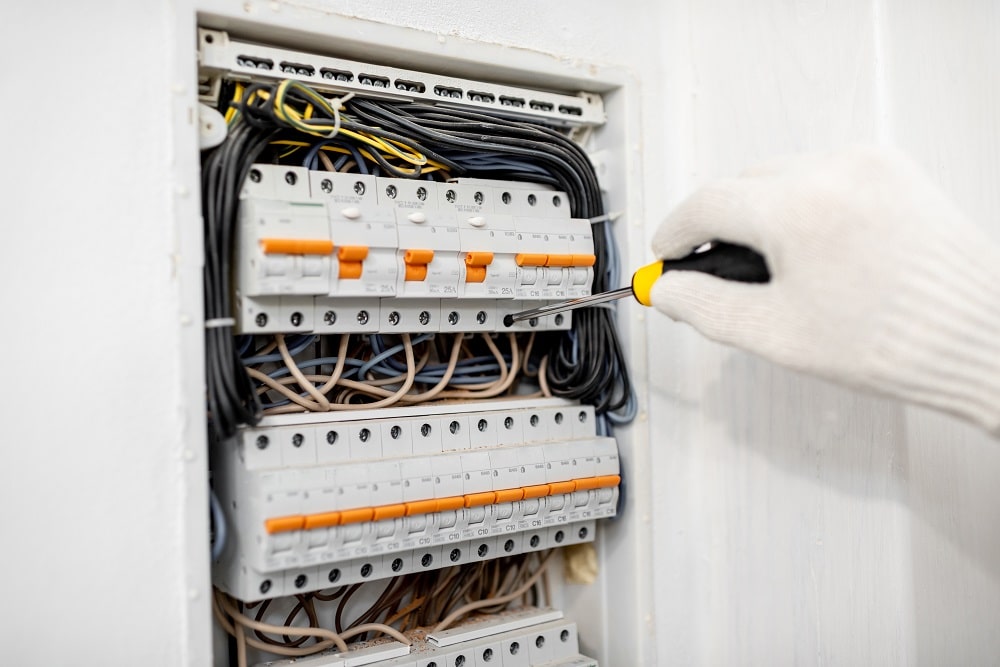
Circuit breakers protect your home from electrical injury by de-energizing on overloads and short circuits, protecting against fire and saving appliances, particularly in older cities such as New O...
Read More


 By Admin
  Mar 13, 2026