

Protecting your home from electrical hazards starts with simple, smart steps. Small habits like using outlets correctly and avoiding overloaded power strips can cut risks and keep your family safe. Electrical dangers may seem hidden, but understanding them helps you stay ahead.
At Big Easy Electricians, we’ve spent over 20 years helping homeowners in New Orleans keep their homes safe and their electrical systems reliable.
If you’re concerned about electrical hazards or need a professional inspection, don’t wait—reach out to us today. Our licensed electricians are ready to provide expert advice and fast, trustworthy service.
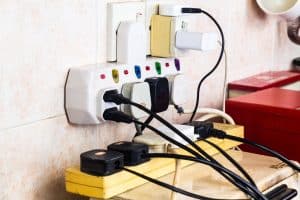 Everyday actions might increase your chance of electrical shocks, burns, or fires. Overloaded circuits, faulty wiring, and damaged cords are some of the leading causes of home electrical fires. Each year, these fires cause significant damage and harm. Knowing how to spot warning signs can help you prevent serious accidents.
Even minor shocks, which might feel harmless, can cause lasting health problems. Staying alert to these risks allows you to make your home safer.
Some hazards happen more often than others. Overloaded outlets, frayed cords, and incorrect use of extension cords top the list. If outlets feel warm to the touch, lights flicker, or plugs look burnt, these signs mean trouble. Fixing these early can prevent bigger issues.
Extension cords cause thousands of fires annually, usually because people misuse them. Appliances near water, such as those in kitchens and bathrooms, also raise risks. Keeping these devices dry and away from moisture is critical.
Homes built before 1980 often have wiring that doesn’t meet today’s safety standards. Old wires can wear out and become fire hazards. Getting a professional inspection every three to five years helps spot problems early. An expert can advise on repairs or upgrades to keep your wiring safe.
Keeping your home safe from electrical risks isn’t hard. Spotting dangers, taking the right steps, and following safety rules can protect your family and reduce accidents.
Routine electrical maintenance helps catch problems before they grow. Simple checks and timely repairs keep everything running safely.
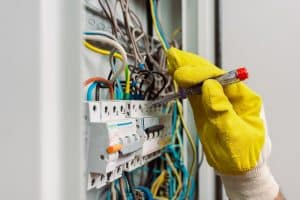
Annual electrical inspections by a licensed electrician can reveal issues that you might miss. Checking outlets, GFCIs, and wiring against safety standards helps prevent accidents. It also keeps your home insurance valid.
Make a checklist for inspections: test outlets, look for signs of damage or overheating, and check cords and appliances. Write down what you find. Call a professional immediately if you notice anything unusual.
Don’t ignore electrical problems. If an outlet feels hot or a GFCI isn’t working, get it fixed right away. Always use a qualified electrician for repairs. Avoid attempting electrical work yourself—this can be dangerous.
Electrical fires often start because of unsafe appliance use or faulty wiring. Taking some basic precautions lowers these risks.
Follow appliance instructions carefully. Unplug devices when you’re not using them. Test your smoke detectors monthly to make sure they’re working. Keep fire extinguishers near areas with electrical equipment.
Install smoke and carbon monoxide detectors on every floor, especially near bedrooms. Regularly test them and replace batteries as needed. Teach your family how to respond if alarms go off.
In wet areas like kitchens and bathrooms, use power tools with care. Always plug them into GFCI outlets. Keep tools dry and store them safely when not in use.
Space heaters and electric blankets also carry risks. Keep flammable items away and choose models with automatic shut-off features. Check cords regularly for damage.
Electrical hazards aren’t just inside your home. Outdoors, safety is equally important.
Use GFCIs for all outdoor outlets and equipment. Check tools and cords for fraying or damage before use. Avoid using extension cords outside, but if you must, choose heavy-duty, weather-resistant ones.
Keep cords and devices at least five feet from pools, ponds, or wet areas. Use waterproof covers for outdoor outlets. These steps reduce shock risks.
Use high-quality extension cords without overloading them. Store cords carefully to prevent damage. Dispose of old batteries properly. When handling electrical devices, wear insulated gloves if possible.
Knowing what to do in case of electrical shocks or fires can save lives.
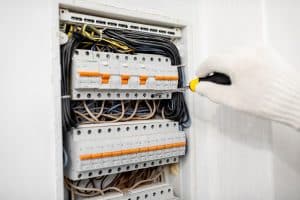
If someone receives an electric shock, turn off the power immediately if you can. Do not touch the person if they are still in contact with electricity. Call 911 if they are unconscious or injured. Check their breathing and responsiveness while waiting for help.
Create a plan that includes emergency contacts, circuit breaker locations, and first aid steps. Practice it with your family. Keep your plan updated and easy to find.
Electrical safety isn’t about big changes—it’s about small, consistent actions. At Big Easy Electricians, we encourage homeowners to inspect their homes regularly, use appliances properly, and teach their families about risks. These steps can prevent serious accidents and give you peace of mind.
Start today by looking for hazards in your home. Take small actions that protect your family from electrical dangers. A safer home begins with you.
If you need help identifying risks or want a professional safety check, call us today! Our experts are ready to keep your home and family safe.
For safe and efficient electrical systems, current codes of safety and rules of compliance need to be understood. Codes comply with the National Electrical Code (NEC) and stipulate installation, ma...
Read More
Electrical inspections in New Orleans homes are often overlooked in comparison to other home improvement projects. Yet, they play a crucial role in ensuring the safety and efficiency of a home's el...
Read More
Although it is tempting to do some on your own, mistakes can be costly. Poor workmanship can create unsafe environments, leading to substantial repair costs in the future. Hiring licensed electrici...
Read More
Power surges happen more often than you might think, and they can do some serious damage to your home’s electronics. Whether it’s your fridge, computer, or home theater system, a surge can cause co...
Read More
Choosing a suitable breaker box is vital as it ensures that your house's electrical system is safe and working properly. Your breaker box size and style depend on the amount of electricity your hom...
Read More
Over 30% of business fires originate from electrical issues. Regular electrical checks are necessary to identify and resolve problems early, preventing expensive repairs, safety hazards, and potent...
Read More


 By Admin
  Jan 4, 2025