

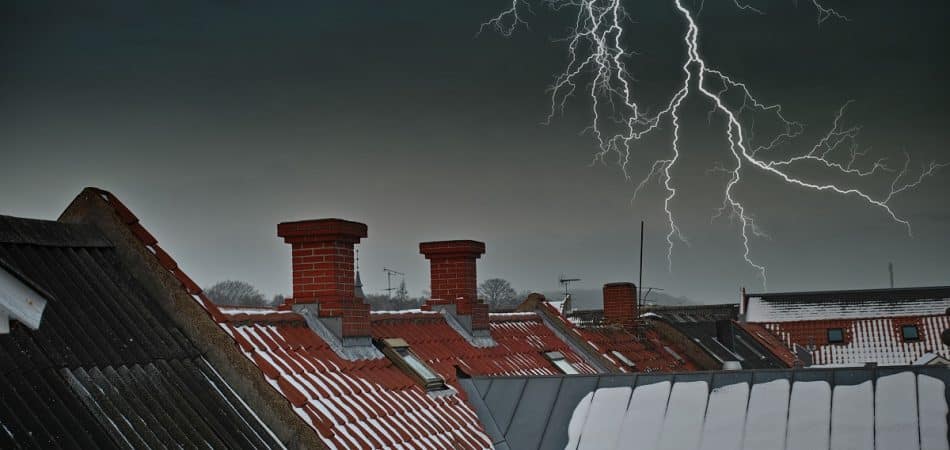
Have you ever wondered how to safeguard your home during a lightning storm? Lightning strikes unexpectedly and can cause serious damage. Surge protectors and lightning rods are essential tools to protect both your home and electronics from these powerful forces.
We’ve put together key safety tips to help you protect your home when a storm rolls in. By taking these precautions, you can avoid costly repairs and minimize the risks. Trust Big Easy Electricians—simple steps now can go a long way in keeping your home safe from lightning damage.
Stay one step ahead—contact Big Easy Electricians for expert lightning protection today!
 Lightning is a powerful force that can cause serious damage and even loss of life. In the U.S., lightning strikes cause nearly $1 billion in property damage each year, with many injuries happening indoors.
Lightning produces extremely high temperatures that can destroy electronics and ignite fires. In 2014, the average lightning-related damage claim was $7,400, leading to $739 million in insurance losses. To safeguard your home, consider installing a lightning protection system. If struck by lightning, give first aid immediately and wait for professional help.
The first step in protecting your home is staying safe inside. Many people don’t realize how dangerous it is to stay indoors during a storm. Did you know that about one-third of lightning injuries happen indoors? Here are some steps to keep yourself safe when storms hit.
 Avoid being outside when a storm strikes. Lightning can strike up to three miles away. When you hear thunder, take shelter immediately. According to the National Weather Service, the safest place is an enclosed building with plumbing and electricity.
If you’re caught outdoors, seek shelter in your car, roll up the windows, and wait for at least 30 minutes after the last thunder before going back outside. If no shelter is available, crouch low with your head tucked in and hands over your ears.
Lightning can still strike even after the storm seems over, so stay inside for 30 minutes afterward. Always find a safe place to wait until the storm is truly over.
It’s critical to protect your home and electrical systems from lightning strikes, as they can cause severe damage. The following methods will help minimize fire and surge risks, while also saving you money on repairs.
Surge protectors are key to protecting your home from electrical surges, such as those caused by storms. Imagine using your computer when lightning strikes—it can instantly damage your devices.
Surge Protective Devices (SPDs) safely redirect excess electricity into the ground, preventing expensive repairs or replacements. Investing in SPDs protects your electronics and gives you peace of mind during bad weather.
For comprehensive protection, consider whole-home surge protection. This system acts like a shield for your electrical system, usually installed at the electrical panel. It redirects surges before they can cause damage.
Costs range from $300 to $600 and act as an insurance policy for your home. When combined with surge strips for individual devices, this creates a strong defense for everything from large appliances to small electronics.
Lightning rods are classic protectors against lightning strikes. A metal rod on your roof safely directs lightning into the ground, preventing fires or other damage.
Though the likelihood of being struck by lightning is low (around 1 in 15,300), installing a lightning rod offers peace of mind, especially in storm-prone regions. They don’t attract lightning; they simply offer a safe path for it to follow.
 Grounding systems help safely redirect excess electricity, lowering the risk of electrical fires. During storms, unplug non-essential devices. To reduce the risk of lightning injuries indoors, keep electronics away from windows and avoid water. If someone is struck indoors, providing first aid while waiting for help can save their life.
Unplug devices like computers, TVs, and kitchen appliances during storms. Even surge protectors can’t always guarantee protection, so it’s safest to unplug them directly. Focus on expensive items that are costly to repair or replace. These simple steps can prevent damage and save you from dealing with insurance claims or repairs later.
Protecting your home from lightning is vital. By following these safety tips, you can reduce the risks. Inside, unplug devices, avoid using water, and stay away from windows. Outside, stay clear of trees and metal objects.
Protect your home from electrical surges with surge protectors and grounding systems. Stay safe during storms and ensure your home is protected.
Big Easy Electricians has you covered—reach out today for expert lightning protection solutions!
Over 30% of business fires originate from electrical issues. Regular electrical checks are necessary to identify and resolve problems early, preventing expensive repairs, safety hazards, and potent...
Read More
Installation of smart home electrical systems not only provides energy efficiency, improved security, and greater comfort but also allows you to personalize the control of lighting, climate, and ap...
Read More
Knowing the Electrical Codes and Regulations is essential for any household in New Orleans. Adherence to legal mandates, safety, and efficiency are guaranteed by compliance. Homeowners can make wis...
Read More
Table of Contents Key Takeaways What is a Subpanel? The Main Hub The Local Branch When to Install a Subpanel a. Home Expansion b. Heavy Appliances c. Full Main Pan...
Read More
When the power goes out, the first steps you should take are to ensure safety, determine the cause, protect your appliances, and conserve food. Start by checking that your family is safe, using fla...
Read More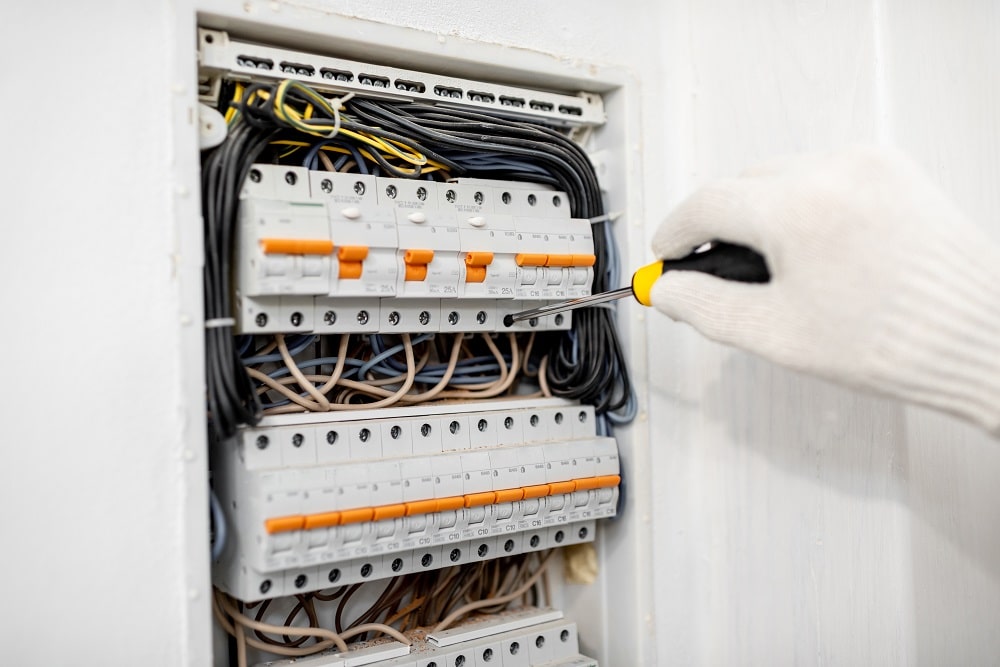
Various causes of fires include poor wiring, overloaded circuits, and antiquated electrical panels. Other fire dangers include snake-like connections with circuit breakers, and surge protectors wit...
Read More


 By Admin
  Dec 3, 2024