

Noticed flickering lights or changing bulbs a lot? Keep your home’s electrical system healthy to avoid safety risks. Signs of trouble include often changing bulbs, flickering lights, and tripped breakers.
Fix these problems fast to keep appliances working and your home safe. Let’s learn how to spot and fix these electrical problems.
For professional assistance and peace of mind, trust Big Easy Electricians. Contact us today to ensure your home’s electrical system is in top shape!
If your lights flicker a lot or bulbs keep burning out, it likely means there’s a wiring issue that needs checking and fixing by an electrician. Always keep an eye out for any burnouts and flickerings.
Tighten loose bulbs and fixtures to stop lights from flickering. It’s a simple fix: just screw the bulb in right and secure the fixture if it’s loose.
Voltage changes in your home can make lights flicker. This happens when too many appliances use power at once or there’s a problem with the electric company. It can strain your electrical system and might signal bigger issues.
 Using bulbs that are too powerful for your fixtures can lead to overheating, higher fire risks, and bulbs burning out fast. Always use bulbs with the wattage your fixture is meant for.
Faulty wiring can lead to flickering lights and even house fires. If your lights keep flickering despite your efforts to fix them, it could be due to bad wiring, often found in older homes. It’s important to have an electrician inspect your home’s wiring so that they can diagnose flickering lights.
When facing an electric problem, it’s important to address not just immediate electric needs but also to inspect for potential electric damage. Especially after an electrical surge, you have to ensure all electrical needs are met safely.
Circuits trip for a reason. Overloading them is often the culprit. This happens when too many devices consume power simultaneously.
It’s similar to how flickering lights signal overload but through bulbs. Here, the circuit itself shuts down as a safety measure. To fix this, redistribute high-power devices across multiple circuits.
A more serious issue is a short circuit. It occurs when a hot wire touches a neutral one, leading to an excessive current flow. This can cause immediate tripping of the breaker.
Identifying short circuits requires careful inspection. Unplug all devices first, then reset the breaker. If it trips again with no load, a short circuit might be the problem.
Ground faults, similar to short circuits, are risky and more so in wet places like bathrooms or kitchens. Make sure to install Ground Fault Circuit Interrupters (GFCI) in these areas to prevent them.
Old or damaged wiring can’t handle modern electrical demands. It leads to warm outlets and switches, signaling a fire hazard.
Hiring an electrician for inspection is vital. They can identify and replace outdated wiring, ensuring your home’s safety.
To prevent these issues:
It’s important to regularly update electrical features and schedule an electrical inspection to identify any electrical problem early. This is to prevent electrical damage and ensure all your electrical needs are met.
 Signal of Serious Problems: Electrical shocks, even minor ones, signal serious electrical problems.
Electric shocks and a persistent smell may indicate something wrong with your electrical powers, often stemming from underlying wiring issues. When you start hearing any buzzing or humming noises, you need to immediately get it checked out.
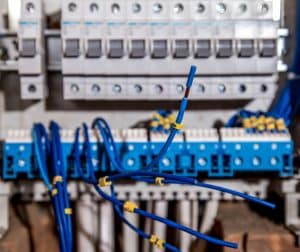
Loose connections in your home’s electrical system can cause buzzing noises. These sounds often hint at a deeper issue. They signal that electricity is not flowing as smoothly as it should. This can lead to more serious problems if not addressed.
To fix this, tighten any loose connections you find. It’s a simple step but can prevent bigger issues down the line.
Overloading circuits is a common problem. Too many appliances on one circuit can strain your electrical system. This not only causes noise but also poses a fire risk.
 The solution? Avoid overloading circuits. Spread out your appliance use across different circuits when possible.
Sometimes, the problem lies within the appliances themselves. Faulty appliances can draw too much power, leading to buzzing noises.
Inspect and repair or replace any faulty appliances. Regular maintenance is key to preventing these issues.
Regular checks are essential for a safe electrical system. Look out for signs of trouble like flickering lights or frequent bulb burnouts. These could be linked to the buzzing noises you’re hearing.
Dealing with home electrical problems doesn’t need to be daunting. From flickering lights and tripped breakers to warm or dead outlets and electrical shocks, understanding the issues is the first step to making your home safer.
If fixing electrical issues feels too complex, hiring a professional electrician is essential for safety. Proper wiring helps with your electricity bills and prevents the possibility of electric shock.
Don’t ignore warning signs like flickers or buzzing. If you’re unsure, always seek expert advice to keep your home safe. Ready to fix those issues or call in the experts?
Let Big Easy Electricians ensure your home is secure and peaceful. Contact us today for reliable electrical services!
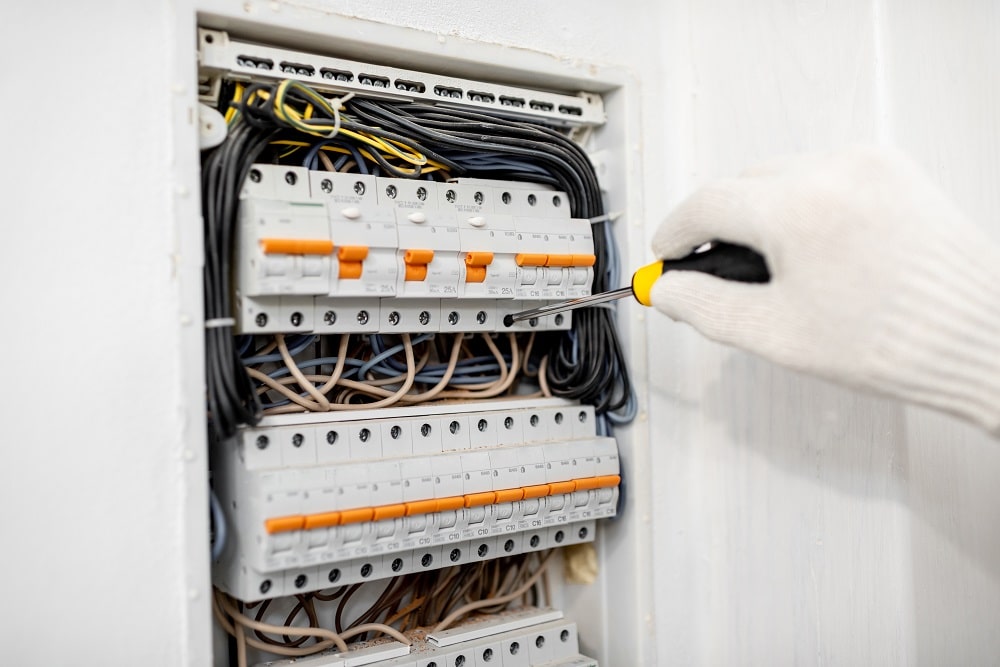
Circuit breakers protect your home from electrical injury by de-energizing on overloads and short circuits, protecting against fire and saving appliances, particularly in older cities such as New O...
Read More
Choosing a suitable breaker box is vital as it ensures that your house's electrical system is safe and working properly. Your breaker box size and style depend on the amount of electricity your hom...
Read More
Various causes of fires include poor wiring, overloaded circuits, and antiquated electrical panels. Other fire dangers include snake-like connections with circuit breakers, and surge protectors wit...
Read More
Power surges happen more often than you might think, and they can do some serious damage to your home’s electronics. Whether it’s your fridge, computer, or home theater system, a surge can cause co...
Read More
Have you ever wondered how to safeguard your home during a lightning storm? Lightning strikes unexpectedly and can cause serious damage. Surge protectors and lightning rods are essential tools to p...
Read More
Well-thought-out pre-planning is necessary for electrical jobs, whether it is in the case of new construction or renovation; one must have knowledge about the project, its risks, and the materials ...
Read More


 By Admin
  Jul 31, 2024