
Quick Summary
An electric range needs its own branch circuit, and unlike the refrigerator question this one is not optional. A range is a large fixed cooking load, it is sized from the appliance nameplate using the demand rules for household cooking equipment, and it is supplied by a four-wire circuit with a separate equipment grounding conductor on any new work. A gas stove is the opposite case and normally needs nothing more than an ordinary 120-volt receptacle for its ignition and controls. Big Easy Electricians installs and replaces range circuits across Orleans, Jefferson, and St. Tammany parishes, and in older kitchens the three-prong outlet behind the stove is the detail that most often changes the scope. Estimates are free.
Last Updated: August 2026
On This Page
- Does a Stove Need a Dedicated Circuit?
- What Size Circuit Does an Electric Range Need?
- Does a Gas Stove Need a Dedicated Circuit?
- Can a Cooktop and a Wall Oven Share One Circuit?
- Why Do Older Kitchens Have a Three-Prong Range Outlet?
- Can You Reuse the Old Range Circuit for a New Stove?
- What Does the Current Code Edition Change Here?
- What Does Adding a Range Circuit Involve?
- Frequently Asked Questions
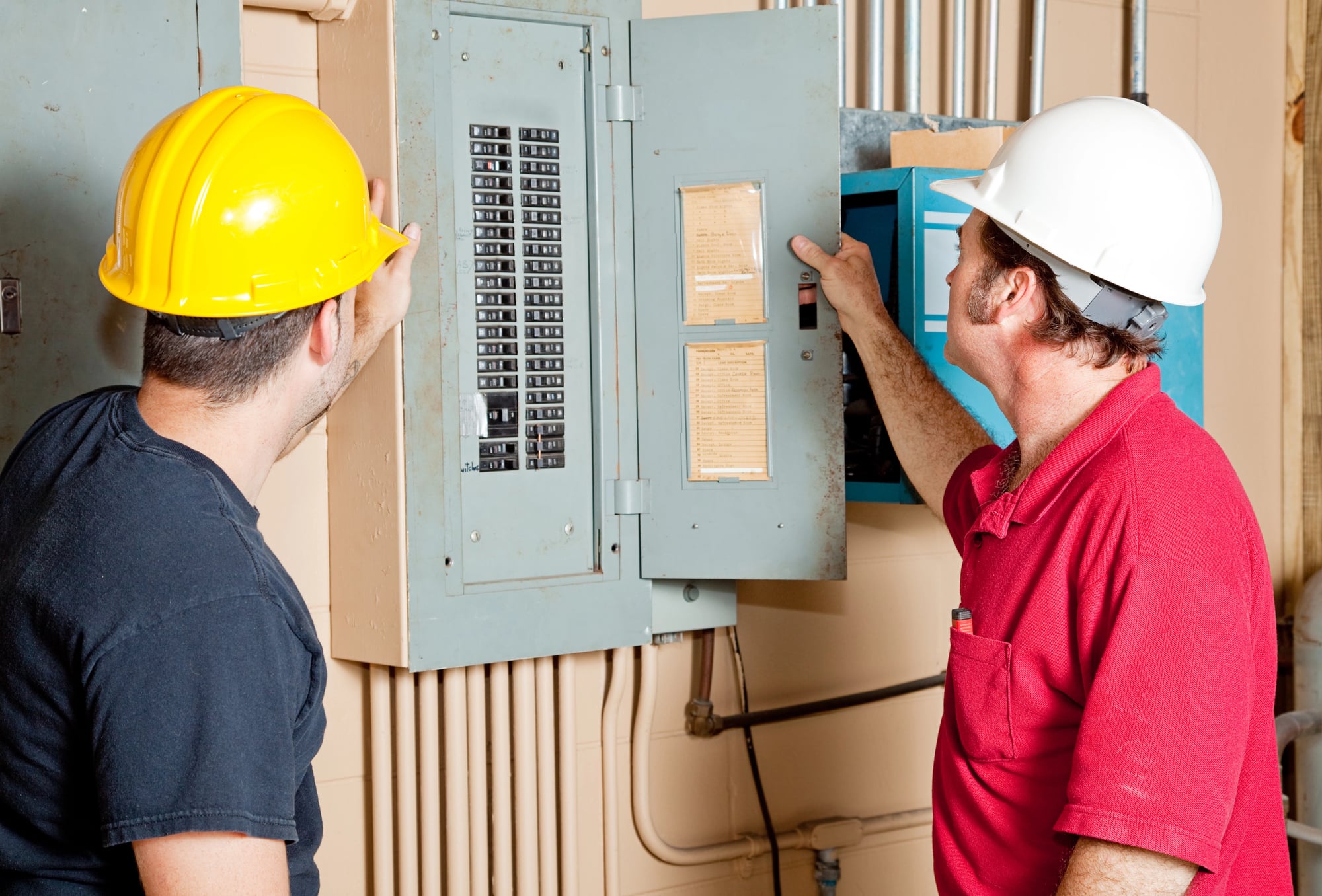
Louisiana enforces the National Electrical Code through the Louisiana State Uniform Construction Code and is currently on the 2020 edition, with the 2023 edition already approved for a future cycle. That matters here because the range circuit is one of the places where the difference between an old kitchen and a current one is visible from the outlet, as any electrician working across the metro will confirm.
Does a Stove Need a Dedicated Circuit?
An electric range does. It is a fixed cooking appliance drawing far more than a general-purpose circuit can carry, so it is supplied by its own branch circuit sized for it, and it may not sit on the kitchen small-appliance circuits that serve the countertop and wall receptacles.
This is where the range differs from the refrigerator, and the two questions are often asked together and answered as though they were the same. A fridge may share by default and may have its own circuit as an option. A range has no version of that choice.
The exception people usually mean involves separate cooking units rather than a single range, and it is narrower than they assume. It is covered further down, and it is the most common route by which two cooking appliances legitimately share one supply.
What Size Circuit Does an Electric Range Need?
It is calculated rather than looked up. The starting point is the appliance nameplate, and the code contains demand rules for household cooking equipment that determine the load the circuit is sized for. Common residential results land at 40 or 50 amperes at 240 volts, but the calculation is what governs.
The parts that make up a compliant range supply:
- A two-pole breaker sized from the calculated load rather than from what was there before
- Conductors sized for that load and its overcurrent protection, with voltage drop considered on a long run
- Four wires on new work, meaning two ungrounded conductors, a neutral, and a separate equipment grounding conductor
- A receptacle and a listed range cord matched to the circuit, or a permanent connection where the appliance calls for one
Copying the existing installation is the specific thing to avoid. The old circuit was sized for the old appliance under the rules of its era, and a new range with a different nameplate can need a different breaker, different conductors, or both. That is the same reasoning behind adding dedicated circuits for heavy appliances generally.
Does a Gas Stove Need a Dedicated Circuit?
Normally no. A gas range uses electricity only for its ignition, controls, clock, and any convection fan or light, which together amount to a small load. It typically takes an ordinary 120-volt receptacle rather than a dedicated high-current circuit of its own.
| Appliance | Circuit | Wiring on new work |
|---|---|---|
| Electric range | Its own branch circuit, sized from the nameplate | Four wires, separate grounding conductor |
| Gas range | An ordinary 120 V receptacle for ignition and controls | Standard branch circuit |
| Built-in wall oven | Its own circuit sized from the nameplate | Four wires, separate grounding conductor |
| Cooktop plus wall oven | Sometimes one 50 A circuit with taps | Taps rated at least 20 A and no longer than needed |
| Range hood | A much smaller load, treated separately | Depends on the unit and how it is connected |
That receptacle still has to be somewhere sensible and reachable, which in practice means behind the appliance in a position the range does not crush when it is pushed back. A gas range that has been fed by an extension cord run to a neighboring outlet is a common and avoidable finding.
Worth knowing during a fuel switch: converting from electric to gas leaves an unused 240-volt circuit behind, and converting from gas to electric means there is no range circuit at all and one has to be run. The second direction is the expensive one and it is the one people discover late.
Can a Cooktop and a Wall Oven Share One Circuit?
In limited circumstances, yes. The code permits tap conductors from a 50-ampere branch circuit supplying ranges, wall-mounted ovens, and counter-mounted cooking units, provided those taps have an ampacity of at least 20 amperes, are sufficient for the load served, and are no longer than necessary for servicing the appliances.
That is a real permission and it is also a narrow one. It is not a general license to run two cooking appliances off whatever circuit exists, and the appliance leads themselves count as tap conductors where they are smaller than the branch-circuit conductors, which is a detail that catches people out.
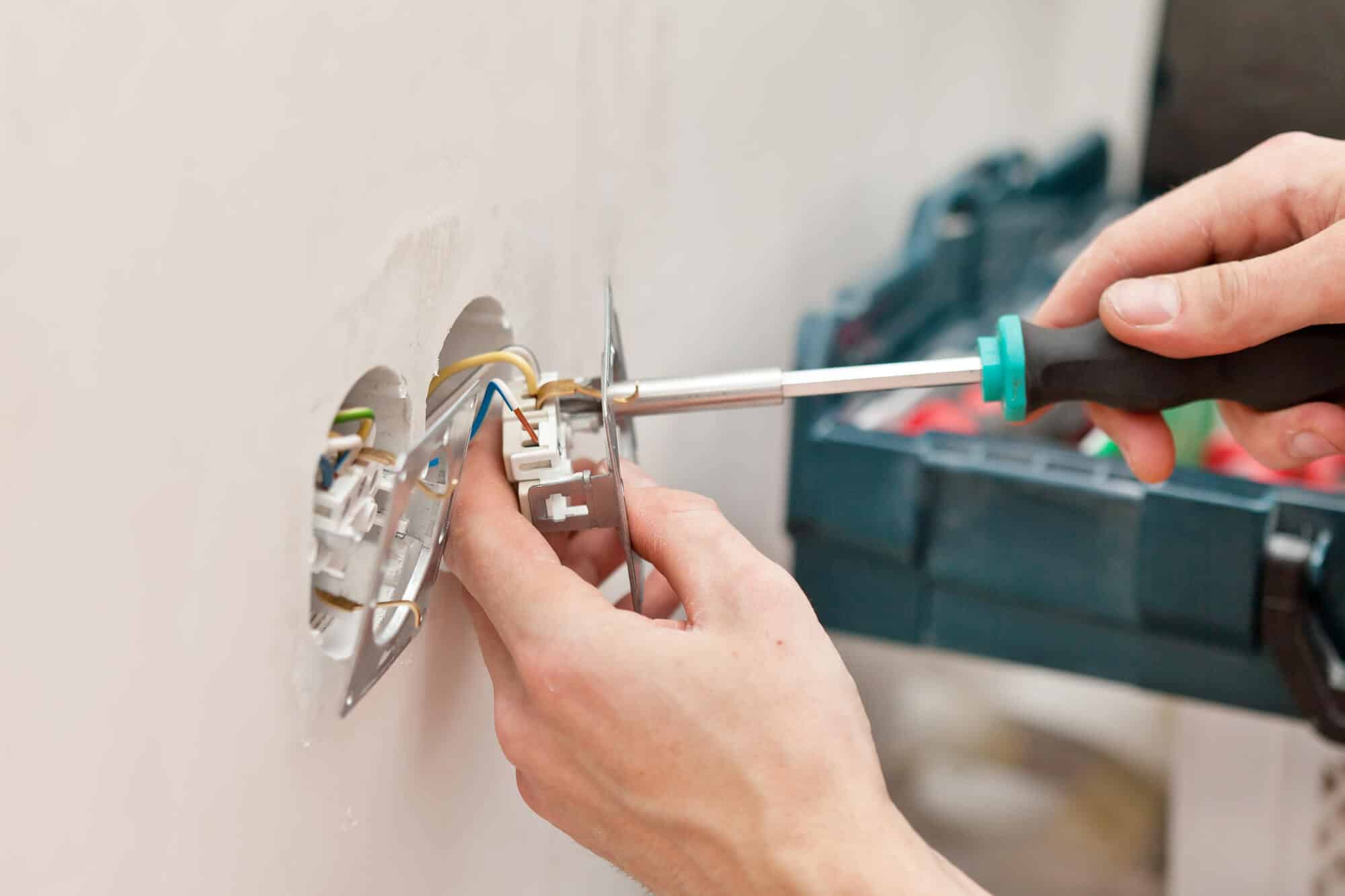
The demand calculation also changes when appliances are combined, so a shared arrangement is a design decision made with the nameplates in hand rather than a shortcut taken at the junction box. Where the numbers do not work, separate circuits are the answer and the panel has to have room for them.
Why Do Older Kitchens Have a Three-Prong Range Outlet?
Because for decades that was the compliant arrangement. Older range circuits used the grounded conductor to bond the appliance frame, so a three-wire supply and a three-prong receptacle was normal work, and it remained normal until the code changed in the mid-1990s.
The current rule connects the frames of ranges, wall ovens, counter-mounted cooking units and clothes dryers to an equipment grounding conductor. There is an exception permitting the older arrangement on existing branch-circuit installations only, where no equipment grounding conductor is present in the outlet or junction box and specific conditions are met.
The consequence for a homeowner is practical rather than theoretical. A new range typically ships expecting a four-wire connection, and finding a three-prong outlet behind the old one means a decision has to be made about the circuit before the appliance can be connected at all.
Can You Reuse the Old Range Circuit for a New Stove?
Sometimes, and it is worth checking rather than assuming in either direction. What decides it is the conductor size against the new appliance’s calculated load, the condition of the conductors and terminations, and whether an equipment grounding conductor is present in the box.
What gets inspected before that question is answered:
- The nameplate of the new appliance and the load it calculates to
- The existing conductor size and the breaker protecting it
- Whether the outlet box contains an equipment grounding conductor
- The condition of the terminations, which corrosion in a humid climate does nothing to help
- Whether the run is original or a later extension somebody added
Where the existing circuit is sound and correctly sized, the work can be as small as a receptacle and a cord. Where it is not, the honest answer is a new run from the panel, and knowing that a week before delivery is the difference between a planned job and a kitchen without a stove.
What Does the Current Code Edition Change Here?
Mostly it confirms rather than upends. The four-wire requirement for new range and dryer circuits has been in place since the 1990s, and the demand rules for household cooking equipment are long established, so a kitchen wired correctly in recent years is unlikely to need reworking.
Where the edition in force matters is on the margins: what an inspector expects on a replacement, how a shared cooktop and oven arrangement is judged, and what happens when existing work is altered rather than left alone. Those are the questions worth putting to the parish before the work rather than after.
Code editions also move, and Louisiana has already approved language for the next one, so the version applying to a specific permit is worth confirming rather than assumed. The wider picture on how these editions get adopted and enforced is set out in how electrical safety standards are updated and enforced.
What Does Adding a Range Circuit Involve?
A new home run from the panel to the kitchen, a two-pole breaker, conductors sized to the calculated load, and a receptacle or permanent connection at the appliance. The variable that decides the effort is the route rather than any of the components on that list.
In this housing stock the route is usually the whole story. Slab construction means the run generally goes up and across rather than under, raised houses give access beneath but need protection where conductors pass through framing, and a kitchen that has been remodeled often has cabinetry sitting exactly where the sensible path would go.
The other gate is the panel. A range circuit needs a two-pole space and the service needs the capacity to carry it, and in a house still on an older service that is where an appliance job turns into a conversation about what a panel upgrade covers or about whether a subpanel is the better answer. Both are better established before the appliance is ordered.
Frequently Asked Questions
Can a stove share a circuit with anything else?
An electric range is supplied by its own branch circuit. The only common exception involves separate cooking units, where the code permits taps from a 50-ampere circuit under specific conditions rather than as a general allowance.
What breaker does an electric range use?
A two-pole breaker sized from the calculated load for that appliance, commonly 40 or 50 amperes in a house, though the nameplate and the demand rules decide it rather than a standard figure.
Can I put a four-prong cord on a stove with a three-prong outlet?
No. The cord has to match the receptacle and the circuit behind it, so the question is really whether the circuit itself should be brought up to a four-wire arrangement.
Is a three-prong range outlet illegal?
Not automatically. An exception permits the older arrangement on existing branch-circuit installations where no equipment grounding conductor is present and specific conditions are met, while new work uses four wires.
Does a range hood need its own circuit?
A range hood is a much smaller load than the range and is treated separately, with its own requirements depending on the type of unit and how it is connected.
What happens if I switch from gas to electric cooking?
There is usually no suitable circuit in place, so a new one is run from the panel, and the panel needs both a spare two-pole space and the capacity to carry the additional load.
Does replacing a stove need a permit in New Orleans?
Swapping an appliance onto an existing compliant circuit differs from installing or altering one, and permit rules vary by parish, so it is worth confirming with the local authority before the work.
Get the Range Circuit Checked Before the Stove Is Ordered
Almost every difficult version of this job is difficult because the appliance was bought before anyone looked behind the old one. Big Easy Electricians reads the nameplate, measures the existing conductors, checks whether an equipment grounding conductor is present, and says plainly whether the circuit can be reused. The estimate is free. Call 504-226-7555 or send the model details through the contact page, including a photo of the outlet behind the current stove, since the number of slots in it answers half the question immediately. Households unsure whether the panel can take another large circuit should read choosing the right breaker box, and anyone wanting the whole kitchen assessed rather than one circuit should book a documented electrical inspection. New circuits themselves fall under appliance circuit installation work.