Get A FREE Estimates

When to Install a Subpanel in Your Home

Table of Contents

  1. Key Takeaways
  2. What is a Subpanel?
    • The Main Hub
    • The Local Branch
  3. When to Install a Subpanel
    • a. Home Expansion
    • b. Heavy Appliances
    • c. Full Main Panel
    • d. Detached Structures
    • e. Circuit Isolation
  4. Selecting the Right Subpanel
    • Amperage Needs
    • Circuit Space
    • Location Rating
  5. Get A Good Subpanel With Our Experts

Subpanels need to be installed at home when the main panel cannot meet the new circuits or when specific areas require their own panel. Things like home additions, detached garages, or installing heavy appliances, such as EV chargers, are usually cut.

A subpanel will ensure smooth electricity flow, avoiding possible overloads, and improve accessibility to the breakers. Understanding when to put in a subpanel keeps the electrical system safe, efficient, and up to code. For better installation, call us at Big Easy Electricians, and we can assure you everything will go smoothly.

Key Takeaways

  • A subpanel is a localized control center that stretches your main panel’s reach, allowing you to handle electrical loads more conveniently and safely. It’s a must-have upgrade for homes with increasing power needs.
  • Subpanels are perfect for home expansions, like extra rooms or separate buildings, since they allow these spaces to have their power distribution separate from your main panel’s load.
  • You need a subpanel when installing heavy appliances, such as HVAC or EV chargers.
  • Subpanels are an economical answer when your main panel is full, providing room to add circuits without having to replace the entire panel.
  • Choosing the appropriate subpanel depends on amperage, circuit space, location, etc. Match your main panel and consult an electrician.
  • When installed correctly — following any required local codes and obtaining permits — subpanels come with increased convenience, safety, and future-proofing benefits for your electrical system.

What is a Subpanel?

A subpanel is a small distribution and control panel that sub-feeds from your main panel or service. It is an ancillary panel that distributes circuits to specific locations or circuits, but does not provide any additional power capacities. Although it cannot generate power, it can play an important role in enhancing safety, improving efficiency, and organizing a home’s electrical system.

The Main Hub

The main panel is, of course, the heart of the electricity in your home, as it contains the main breaker that generally controls capacity and power overload conditions. It then distributes that feed to various circuits, plus any attached subpanels, through lead-in wires that terminate on a 240-volt double-pole breaker.

To prevent overloading, the main and subpanel need to be compatible, so get a licensed electrician to check that kind of compatibility with the subpanel.

The Local Branch

Imagine your subpanel as a local branch of your electrical system. It centralizes wiring for important circuits in a garage or an independent structure like a guest house, reducing long runs back to the main panel.

Subpanels simplify maintenance by allowing you to isolate power from a specific circuit without affecting the entire house. They also manage growing electrical loads from appliances, such as electric vehicles and new gadgets.

Subpanels are ideal for detached properties needing independent power sources, and they operate without interfering with system reliability.

When to Install a Subpanel

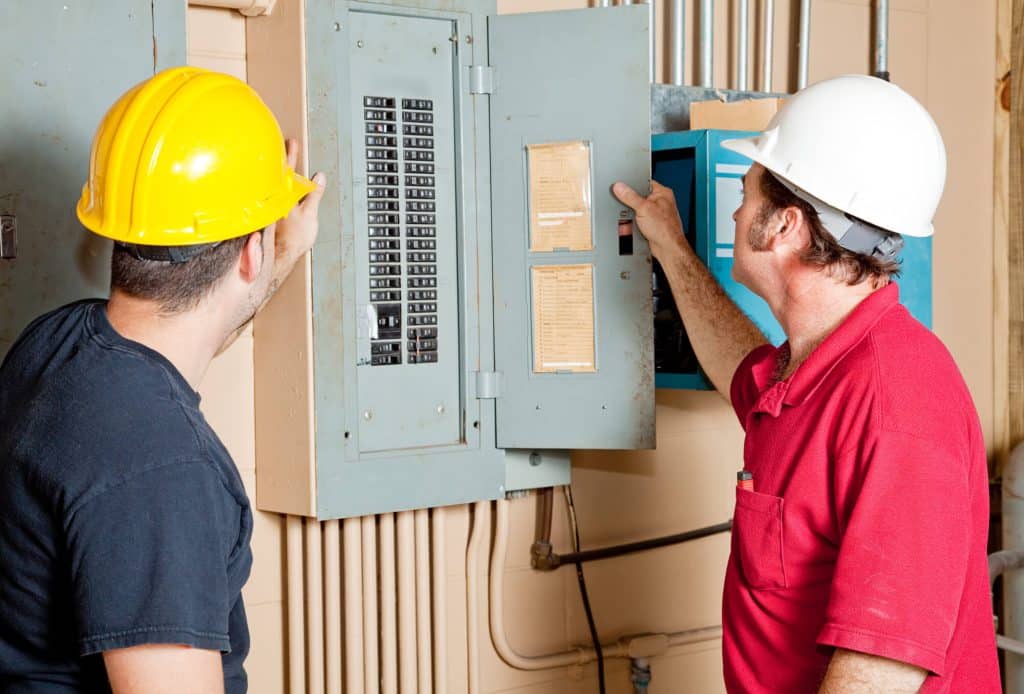
electrician working on a panel

A subpanel, sometimes known as a secondary panel or secondary distribution panel, is a smaller electrical panel that extends from the main panel. These panels are used to provide power to specific areas or circuits.

This is what goes for when to install subpanels: Several instances call for the installation of a subpanel, especially when factoring in heavy electrical loads and improvements for safety features and convenience in your home’s electrical setup.

1. House Expansion

With the building of new rooms or areas, there will be more circuits to be added. These will be managed with a sub-panel without overloading the main panel, with localized control, and keeping everything better organized.

2. Heavy Appliances

Some appliances require dedicated circuits: HVAC systems do; EV chargers do. A sub-panel gives them that independence from the main panel and minimizes overloads-causing chances and makes maintenance easier.

3. Full Main Panel

A sub-panel is a very cost-effective and efficient way to gain capacity for future upgrades if the main panel has been maxed out.

4. Detached Structures

Most garages and workshops require their power sources. The addition of a sub-panel in these buildings also allows for managing localized circuits.

5. Circuit Isolation

Subpanels allow the disconnection of individual circuits for spaces such as kitchens or offices, allowing better safety while repairs are being done, since only certain circuits can be turned off without affecting the rest of the house.

Selecting the Right Subpanel

Choosing the right sub-panel will determine whether your home electrical system will be able to work safely and effectively. Picking the right sub-panel is critical because a good, well-selected sub-panel may save you from headaches down the road! There are a few important things you will want to look into, like amperage, circuit space, position, and compatibility with the main panel.

  • Amperage Needs

Amperage is critical when buying your subpanel; the amperage should match what is required in your home. This rating should be calculated through a load calculation. A good subpanel would be a 100A one, good enough for home extensions or workshops; bigger places may require 150A or even “bigger”.

It is essential that subpanel amperage does not exceed the main panel’s; you won’t make the best decision with a 200A subpanel paired with a 150A main panel. Choosing the right wire size is also important for safety.

  • Circuit Space

The circuit space of a subpanel tells how many circuits a subpanel may support. Current and future needs should be planned—the more circuit slots available in the subpanel, the less likely you are to overcrowd it, which is great to help reduce fire hazards. Ample space is important in a workshop where you may need to connect many tools and equipment.

  • Location Rating

The location of a subpanel affects both safety and longevity. Indoor subpanels are designed for installation inside walls, while outdoor-rated panels offer weather protection, making them ideal for garages or pool houses.

Local electrical codes often dictate where and how a subpanel should be installed, including grounding and enclosure requirements. Placing a subpanel near the areas that need power can also make connections easier to set up.

Get A Good Subpanel With Our Experts

Proper installation of a subpanel is essential for safety and easier maintenance in garages and workshops. Consider the panel’s size, intended use, and future power needs before installation, and consult a licensed electrician to ensure compliance with local codes.

Installing a subpanel not only makes your home more comfortable but also improves long-term safety and functionality. Talk to us at Big Easy Electricians to determine which option works best for your electrical system.

Call Us Today! 504-226-7555
What Our Customers Have To Say!
Related Posts

Choosing the Right Breaker Box for Your Home

Choosing a suitable breaker box is vital as it ensures that your house's electrical system is safe and working properly. Your breaker box size and style depend on the amount of electricity your hom...

Read More

What Causes Power Surges And How to Protect Your Devices

Power surges occur when there is an untimely boost of electrical current, typically brought about by lightning strikes, faults in utility grids, or the turning on and off of huge appliances. Power ...

Read More

Understanding Electrical Codes and Regulations: What Every New Orleans Homeowner Needs to Know

Knowing the Electrical Codes and Regulations is essential for any household in New Orleans. Adherence to legal mandates, safety, and efficiency are guaranteed by compliance. Homeowners can make wis...

Read More

Installing Dedicated Circuits for High-Powered Appliances

Table of Contents: Key Takeaways What Are Dedicated Circuits? Indications You Require Dedicated Circuits a. Frequent Tripping of Circuit Breakers b. Flickering Lights or Power Fl...

Read More

Top Electrical Risks After a Lightning Strike

Lightning strikes are powerful events that can cause lasting electrical issues in homes. While the flash and sound are dramatic, the true risks often remain hidden in wiring and electrical systems....

Read More

The Role of Circuit Breakers in Preventing Electrical Damage

Circuit breakers protect your home from electrical injury by de-energizing on overloads and short circuits, protecting against fire and saving appliances, particularly in older cities such as New O...

Read More