
Table of Contents:
- Key Takeaways
- Types of Electrical Installations: Hardwired and Plug-In
- a. Hardwired Installation
- b. Plug-In Installation
- Benefits and Drawbacks of Hardwired Installations
- a. Benefits of a Hardwired Installation
- b. Safety Considerations for Hardwired Systems
- c. Challenges and Drawbacks of Hardwired Installations
- Benefits and Drawbacks of Plug-In Installations
- a. Benefits of Plug-In Installations
- b. Convenience and Flexibility of Plug-In Systems
- c. Limitations and Disadvantages of Plug-In Installations
- Choosing the Right Installation for Your Needs
- a. Budget
- b. Space
- c. Appliance type
- d. Safety and Compliance
- e. Ease of Installation
- f. Lifestyle Needs
- Regional Building Codes and Standards in the U.S
- Let Us Help You Decide Better For Your Home Set Up
Hardwired is a way to plug in for electrical appliances. Hardwired one directly connects into the building’s electrical installation and is considered more permanent, normally for accessories such as lighting fixtures or ovens. A plug-in type connects to standard 120-volt outlets, allowing for more flexibility and convenience for smaller appliances. Understanding the distinction comes in handy when it comes to wise spending on what properties are ideal for the specific needs.
If you’re unsure which setup suits your space, we’re here to help. Reach out to us at Big Easy Electricians and let’s talk about what works best for your home or business.
Key Takeaways
- Hardwired installations require a more permanent, custom connection to your home’s electrical system. This makes them ideal for heavier appliances such as ovens, dishwashers, and others. For safety and code compliance, they need professional installation.
- Plug-in installations are portable and overall easier to set up, plugging devices directly into standard wall outlets. They are ideal for lower-wattage appliances and short-term or variable use.
- Hardwired systems do offer more seamless integration, aesthetic appeal, and reliability for high-power appliances. They have little flexibility and demand larger upfront investments.
- Plug-in systems are inexpensive, versatile, and work well for renters, but can be limited in power capacity and need diligent oversight to avoid safety hazards.
- When deciding between hardwired vs plug-in installations, it’s important to take into account things such as appliance type, power requirements, budgetary constraints, and future goals.
- As with all safety installations, and particularly true for hardwired installs, safety and compliance with local building codes are key to preventing hazards.
Types of Electrical Installations: Hardwired and Plug-In

When it comes to energizing appliances, electrical installations can largely be categorized into two types: the plug-in and the hardwired. Both have their advantages, thus apt for varying owners and business premises. The understanding of the differences will assist in making an intelligent decision regarding your needs, appearance, and long-term planning.
Hardwired Installation
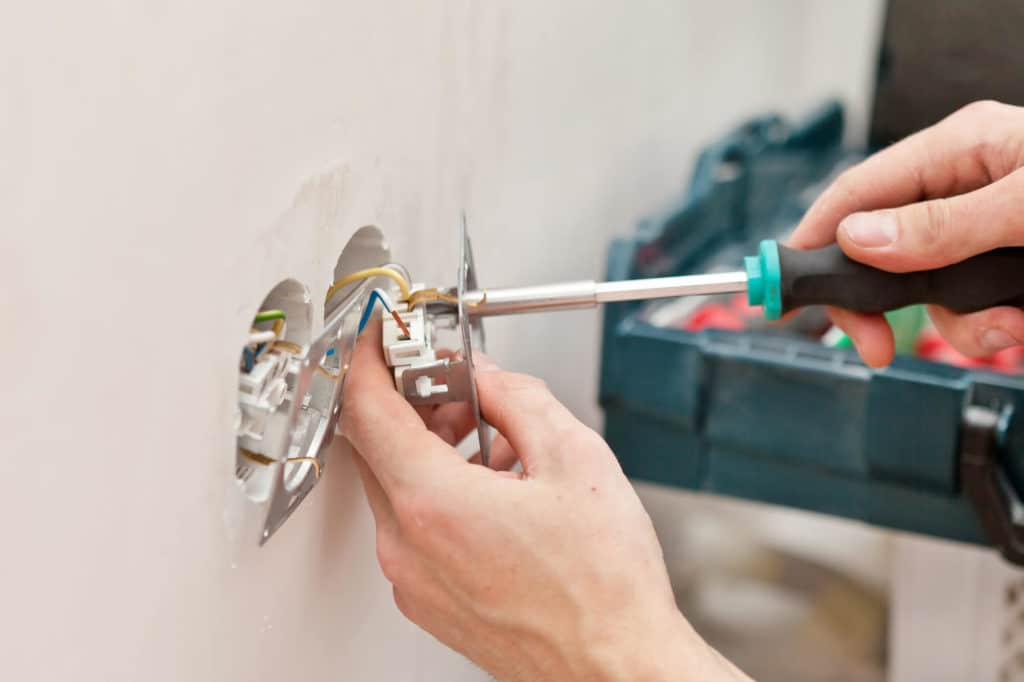
A permanent connection of the device to the building’s electrical system describes the hardwired installation. There are no visible cords or plugs, leaving a clean and seamless look. Built-in ovens, dishwashers, water heaters, and hardwired lighting are some examples. Such connections are more stable and reliable and give constant power.
Professional installation is a must to meet safety codes and prevent the risk of fires. Hardwired systems offer an aesthetic appeal and safety, but they come with inflexibility; thus, they make it laborious and costly to move or substitute appliances.
Plug-In Installation
By contrast, plug-in installations consist of cord-and-plug arrangements that employ standard wall outlets. They are portable and perfect for appliances such as toasters, microwaves, and televisions. For plug-in installations, it doesn’t seem very complex for the user to plug in without professional help. Many appliance types can plug into a wall or NEMA outlets, stimulating interchangeability. Because cables might be exposed, they may not achieve the same high-end look as hardwired installations.
Benefits and Drawbacks of Hardwired Installations
A permanent solution to the issues of integrating electrical devices into a property is hardwired installations. They not only enhance the performance and aesthetics of the electrical device, but they also present special challenges for homeowners and businesses.
Benefits of a Hardwired Installation
One of the main advantages of hardwired systems is that they can be hardwired into the electrical system of the building, which results in there being no observable cords or plugs, but a totally clean installation. This new feature will seamlessly integrate into the fashionable homes and business areas.
For instance, stoves, heat pumps, and EV charging devices are best connected hardwired since they will provide steady power, up to 19.2 kilowatts, while a plug-in can’t do more than 9.6 kW. Further, with hardwired installations, there’s less likelihood of being unplugged by mistake or sock wear, so that permanent option is that much better.
Safety Considerations for Hardwired Installations
A safety benefit of hardwired installations is that when installed by a licensed electrician, they’re pretty much guaranteed to be methodically satisfying local electrical codes, thereby lowering the risk of electrical hazards. Dedicated circuits protect against overloads, and proper grounding decreases the risk of shorts or fires. Hardwired installations would be an improvement over plug-in models for reducing the chances of electric shocks due to installation and quality.
Challenges and Drawbacks of Hardwired Installations
However, the drawback is that installation of any hardwired configuration typically requires installation by professionals: installations typically cost between $500 and $2,000, depending on site conditions and all required upgrades, making it a time-consuming effort to install.
Benefits and Drawbacks of Plug-In Installations
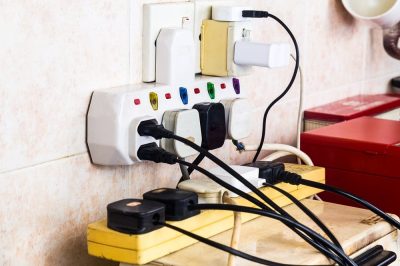
Plug-in installations provide an easy solution for numerous electrical requirements, especially when ease of use and flexibility are key. Although they have advantages, users need to take into consideration their limitations in accordance with individual situations.
Benefits of Plug-In Installations
Plug-in installations are easy to use and do not need specialized expertise or electrical upgrades, which makes them perfect for fast and inexpensive installations. Their portability is another major advantage, as they can be plugged into any standard outlet, which is ideal for renters or those who frequently move. Plug-in systems are also typically more affordable, with chargers usually costing around $500 compared to the more costly hardwired alternatives.
Convenience and Flexibility of Plug-In Systems
They are available to be used in any location, making them perfect for seasonal or temporary use, such as holiday lighting or mobile appliances. They have multiple compatible outlets in most houses, making them more flexible.
Limitations and Disadvantages of Plug-In Installations
Messy cords can form tripping hazards and a cluttered appearance. Plug-in chargers are limited to a power capacity of 9.6kW, as opposed to 19.2kW for hardwired chargers, limiting their application with high-draw appliances. Users also need to constantly monitor for possible electrical faults and observe that utilizing 120-volt outlets may result in energy losses ranging from 10% to 20%.
Choosing the Right Installation for Your Needs
When selecting a hardwired or plug-in installation, start by balancing your needs, preferences, and long-term planning. They both have their perks. First of all, it is very important to be aware of the power needs, installation flexibility, and local building codes.
-
Budget
To get started, hardwired installations are pricier with potential panel upgrades and professional installation expenses compared to plug-in counterparts, but they are cheaper and do-it-yourself-friendly.
-
Space
Permanent hardwired systems are, for instance, reinstalled fixed installations (like kitchen lighting), while plug-in systems are great for short-term or flexible spaces.
-
Appliance Type
Direct connection is more beneficial for devices that consume a lot of electricity example, EV chargers over 19.2kW, while low-power devices, which consume less energy, for example, heaters, can be connected as plug-in units.
-
Safety and Compliance
Compared with plug-in systems, hardwired ones are usually safer for high-demand appliances, though subject to more complicated local laws.
-
Ease of Installation
Hard-wired systems are also available, but licensed technicians need to perform the installation; among the advantages of plug-in systems is that they are easy to install, even without any technical knowledge.
-
Lifestyle Needs
Renters are more likely to find plug-in systems useful due to their convenience, whereas homeowners may opt for hardwired systems to meet their needs in terms of. appearAppearancetability.
Regional Building Codes and Standards in the U.S.
Adherence to electrical codes is important for safety and legal reasons. In New Orleans, compliance with NEC and local codes is mandated by law. Hardwired installations usually need permits and inspections, so it’s best to get professional advice. These regional variations emphasize the need to seek professional advice on local building codes.
Let Us Help You Decide Better For Your Home Set Up
Both hardwired and plug-in installations have their benefits, and the best choice depends on your specific needs. Hardwired systems offer a permanent, clean design and long-term reliability, while plug-in options provide portability and easier installation for flexible setups.
Consider factors like safety, convenience, and future needs before deciding. Understanding your space and how you’ll use the installation is important. If you are unsure which option to select, our licensed electricians can advise you on making the correct choice for a safe and energy-efficient home. Contact us today at Big Easy Electricians to begin!