
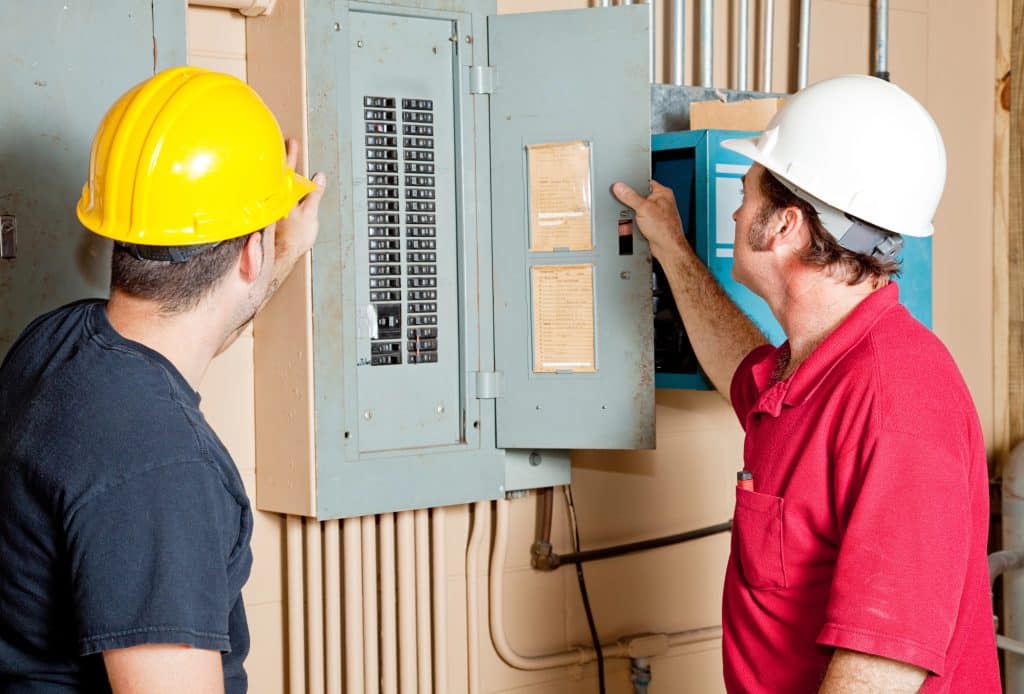
Choosing a suitable breaker box is vital as it ensures that your house’s electrical system is safe and working properly. Your breaker box size and style depend on the amount of electricity your home uses, any possible expansibility or enhancement in the future, and local electrical codes. Breaker boxes typically are sized from a 100-amp service to 200 amps, or larger, for typical new, larger homes. Our experienced electrical contractors at Big Easy Electricians will help you assess your needs and recommend the best, safest, and most reliable options for you in the future.
Why the Right Breaker Box Matters
Choosing a proper breaker box is crucial to your house’s safety, as well as your house being energy-efficient. How many circuits it can support, for instance, depends on the box’s size. A standard 100-amp panel can support approximately 15 circuits or so. This might be fine for a small house with fewer high-load appliances. But a normal home with electric heat or central air will need to be equipped with at least a 200-amp panel to deal with the higher loads and prevent constant tripping of breakers. An accurately sized breaker box will function better without overheating and will assist in reducing the fire risk, which subsequently ensures that more consistent power is delivered. Consistent power will also benefit the resale value of your house. A breaker box of a new size will be more understandable for customers, particularly with appliances that use increased wattage. Electricians consider wattage to ensure that it will cover immediate requirements and accommodate future requirements.
What is a Breaker Box?
The electrical panel, also referred to as a breaker box, is a vital component of your house’s electrical system. The electrical panel is the point at which incoming power is separated into smaller circuits, each protected by its circuit breaker. The installation of an electrical panel should last about 25-30 years. The electrical panel is less than 10 feet from the meter, and the feeder cable is connected to your meter. New electrical panels typically come in sizes of 100 or 150 amps. New homes, in most cases, use 150-amp and 200-amp electrical panels. A smaller home may use a 100-amp electrical panel if you have a few 240-volt appliances. Homes with a central air conditioner or electric heating usually need a 200-amp electrical panel or larger. Also, a 100-amp electrical panel will feed up to 42 circuits.
Assess Your Home’s Electrical Needs
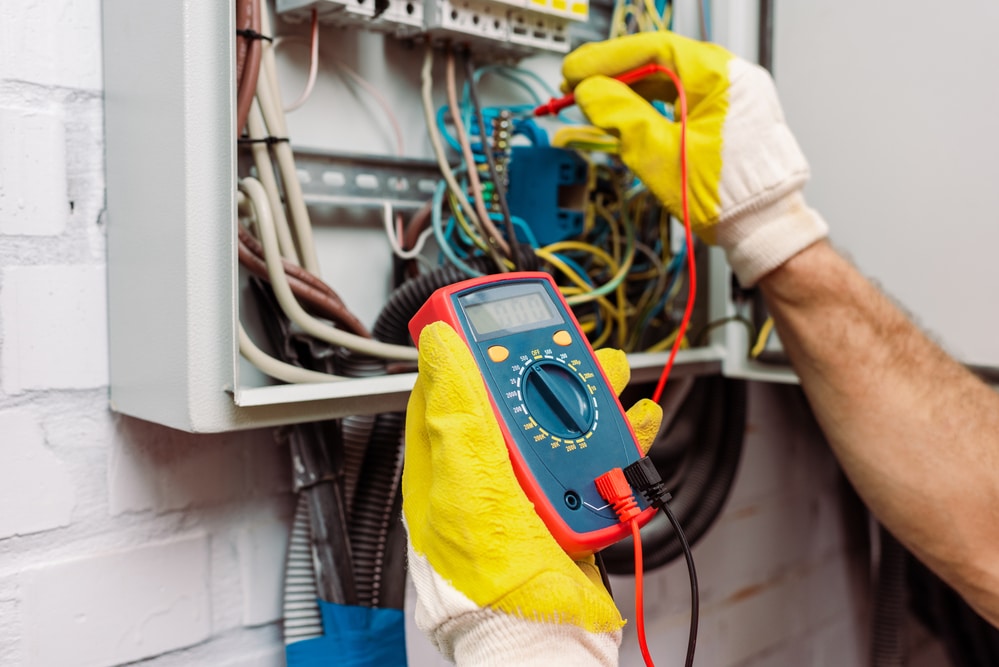
To choose the right breaker box, start by assessing your current and future electrical needs. A properly sized panel enhances safety and efficiency, accommodating your household’s demands.
1. Determine the Total Electrical Load
Begin by determining your home’s overall electrical load. This is achieved by summing the wattage of all the appliances, lighting, and small gadgets. Furthermore, you will need to measure the capacity of your primary electrical panel. Although most typical homes will require at least 100 amps, bigger homes generally would be more suitable for a 200-amp or higher service. The panel for an older residence might be 60 amps rated, which is not sufficient. As a rule of thumb, the home should have approximately one circuit per 500 sq. feet of home. Also, larger appliances should hopefully have their own dedicated circuit.
2. Be Prepared for Future Needs
Consider what types of renovations would be feasible that could incorporate electric vehicle charging stations, heat pumps, or solar panels. All of these types of services will greatly add to your power requirements. Generally, a 200-amp panel is the most typical upgrade and is usually able to provide enough additional capacity for electric upgrades. For a larger house, a 400-amp service panel could be an option.
3. Evaluate your Appliances Usage
If you look at high-demand appliances, you might need to think about what loads they will carry and whether they will be more than your panel can handle. Going to a bigger, older panel might have to be something to consider to make your home safer and more efficient.
4. Plan for Smart Home Considerations
More recently, smart home devices have emerged, which could add a higher demand to your breaker box. More recent panels can accommodate smart home devices while considering the additional load, but could be obsolete when considering the anticipated loads.
How to Select the Right Breaker Box
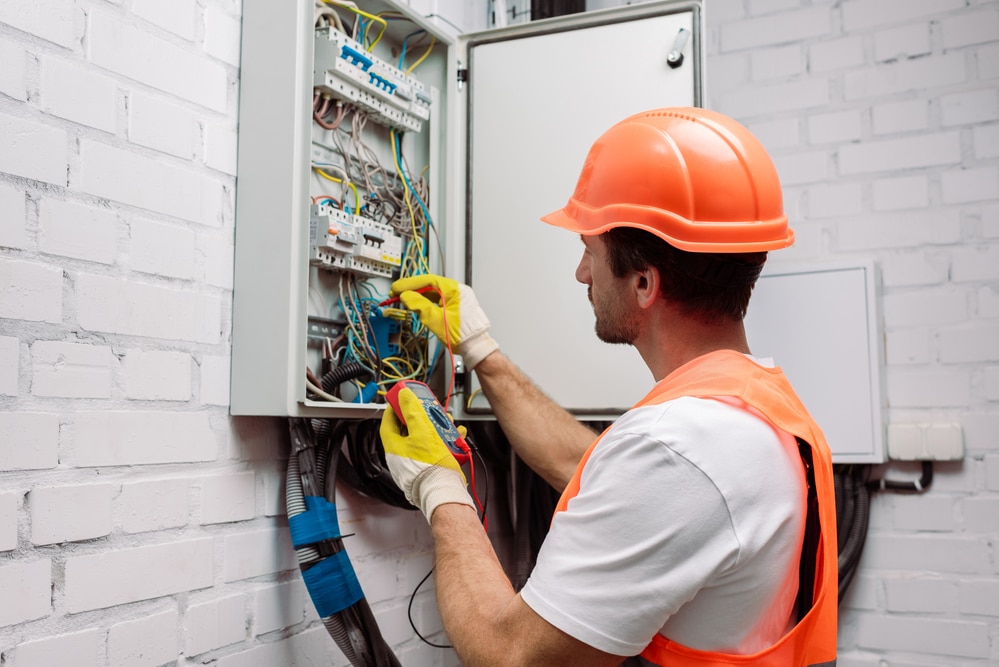
Selecting the best breaker box is an important part of electrical safety and reliability in your home. Your breaker box, or electrical panel, is the hub of your electrical system. Following these guidelines will help you select the proper electrical panel.
1. Identify Your Amperage Needs:
Your electrical needs depend on the size of your home and the appliances being used. Small homes may need a 100 amp panel; larger or new homes generally have a 150 amp or 200 amp panel. Extremely big homes might even need bigger panels up to 400 amps.
2. Choose Panel Size
The panel size affects how many circuits it can support. A 100-amp panel typically holds 20 circuits, while larger panels accommodate more and allow for future expansion. Ensure there’s enough space for double-pole breakers if you have multiple 240-volt circuits.
3. Choose Breaker Type
Pick the appropriate type of breakers for your home. Standard and short circuit breakers protect against overloads, while AFCI and GFCI breakers enhance safety. Ensure compatibility with your panel.
4. Check Safety Certifications
Always opt for a breaker box that is UL safety certified and complies with local electrical codes for reliability.
5. Ensure Wiring Compatibility
Make sure the panel and breakers match your home’s wiring setup to avoid installation issues.
6. Understand SCCR
The Short Circuit Current Rating (SCCR) indicates the maximum fault current the panel can handle safely. Choose a panel with an SCCR that meets or exceeds your home’s fault levels.
7. Consider Busbar Material
Busbars distribute electricity within the panel. Copper busbars are more efficient and durable, while aluminum is more cost-effective. Choose based on your priorities for performance and cost.
Let Our Electricians Work On Your Breaker Box
Selecting the right breaker box helps to protect your home while fulfilling new electrical needs. Working with a licensed electrician means your work follows safety codes and mitigates fire hazards. Our team is here to help you with advice, materials, and service. Contact us today at Big Easy Electricians to help with your breaker box’s next project and create a safe electrical system for you and your home.