
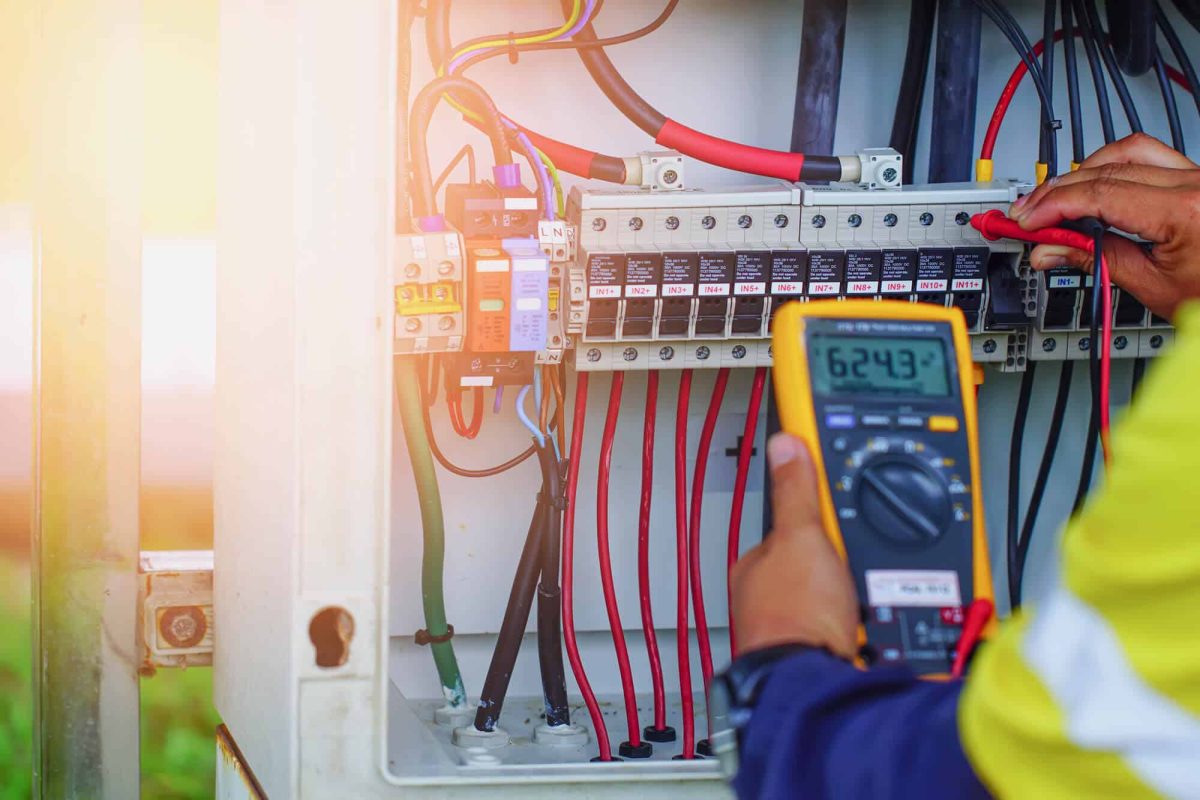
This knowledge of the 2025 cost of electrical upgrades will help you budget better. The increasing need for energy efficiency and smart home technology is fueling these expenses. Prices differ based on where you are, the materials, and the labor involved. Knowing all these factors will guide you in making cost-effective choices for your home or business. Stay updated on the latest trends so that when it is time to upgrade the electricity, you can be better prepared. Smart decisions today can lead to savings tomorrow. Let us help you with your upgrades by contacting us at Big Easy Electricians.
What Are Electrical Panel Upgrades
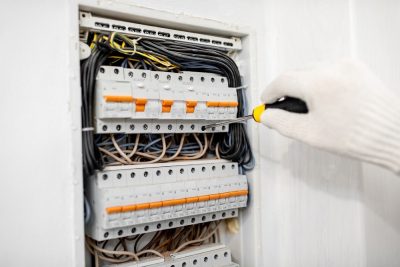
Electrical panel upgrades are necessary for safe and efficient home power usage. Since 2015, new homes typically come with 200-amp service to provide for modern electrical needs, like running multiple appliances or charging an electric vehicle. Replacing an electrical panel can range from $850 to $2,500 in cost, depending on the amperage needed. Larger homes may require a 400-amp panel, while smaller homes often only need 100 amps. The average cost to replace a breaker box is around $1,475, with most homeowners spending between $1,287 and $1,707. If you plan on moving an electrical panel, estimate costs to run between $1,000 to $4,000. As defective wiring has been the cause of thousands of fires each year, and present estimations go about anywhere from 53,000 cases per
year, then employing licensed electricians such as ourselves will guarantee that your house meets the codes and passes all needed inspections.
Costs Involved In Upgrades End
Many factors determine the cost of an upgrade. Among them are the scope and complexity of the upgrade project, the technology being introduced, and the compatibility of existing infrastructure with new systems
How Location Influences Electrical Upgrade Cost
Location is the most influential factor in electrical upgrade cost. Urban areas often cost more in labor and materials, as there is a higher demand for skilled electricians and easier access to materials. For example, an upgrade of a fuse box to a circuit breaker panel in metropolitan Los Angeles can cost between $3,500 and $5,500. This investment increases the electrical capacity of your home and covers the costs of wiring changes, new circuit breakers, a panel installation, and a service mast or new wires. However, the cost may be comparatively lower in towns.
Impact of Panel Size on Costs
The size of the electrical panel also significantly influences costs. Most modern homes require a 200-amp panel to meet energy demands, while smaller homes may only need 100 amps. Additionally, the distance between your main panel and sub-panel can affect costs; longer distances may lead to higher labor and material expenses.
Scope of Work and Related Costs
The extent of the upgrade can greatly impact costs. What appears to be a simple panel upgrade may become more complex and expensive when adding new circuits or rewiring. Permits, which may be required by local municipalities, can further complicate cost estimations.
Importance of Inspections
Inspections are crucial for ensuring safety and compliance, contributing to overall costs. These assessments confirm proper installation and adherence to local codes, helping to prevent future hazards and costly mistakes.
Effect of Electrician Expertise on Costs
The experience and skills of our electrician can significantly affect both cost and quality. While their labor may be pricier, our skilled professionals offer precision and reliability, making the process more efficient and reducing the likelihood of mistakes, ultimately saving homeowners money.
Why Permits Are Important for Electrical Upgrades
Permits ensure electrical upgrades are done safely and meet local codes, protecting both home value and residents’ health. In Arizona, obtaining an electrical permit starts with a simple building permit application at your local authority, which reviews the work to align with NEC guidelines.
Expected Permit Costs in 2025
Permit fees vary based on project size. Upgrading to a 100-amp panel typically costs $150 to $300, while a 200-amp upgrade ranges from $300 to $400. Larger panels may require permits exceeding $500, and labor costs add another $50 to $150 per hour.
Consequences of Failed Inspections
A failed inspection can lead to rework, additional costs, and delays. These issues may require extra labor and reapplying for permits, impacting both the schedule and budget. It’s crucial to get it right the first time to avoid these complications.
Insurance Implications Insurers often check if electrical work is properly permitted. Unpermitted upgrades can lead to denied claims, making it vital to obtain permits for future insurance protection.
Steps to Obtain an Electrical Panel Upgrade Permit
To obtain a permit for upgrading an electrical panel, one has to follow a step-by-step procedure. First, one needs to refer to local building codes and regulations to know the specific requirements for electrical panel upgrades in your jurisdiction.
- Contact Building Authorities: Begin by contacting local authorities for specific requirements, since they may differ even within the same state.
- Hire a Qualified Electrician: Get an experienced electrician, like us, for safe and code-compliant work.
- Apply for Permit: File your permit application with all relevant documents. Many homeowners can do this by themselves, but attention to detail is key.
- Pay Permit Fees: Expect fees of $150 to $300 for a 100-amp upgrade, with total costs of about $850 to $1,100.
- Schedule Required Inspections: Once approved, schedule inspections to ensure that safety standards are met, giving you and your family peace of mind.
Cost Breakdown for Electrical Upgrades
Enhancements in electrical systems are crucial for improving efficiency, reliability, and sustainability in various sectors, including residential, commercial, and industrial applications. Conducting a thorough financial analysis is essential to evaluate the feasibility and potential return on investment (ROI) of these enhancements.
- 100-Amp Upgrade: Costs range from $1,200 to $1,600. If a new panel is needed, it drops to $850-$1,100. Best for homes with low electronics use, benefiting under 10% of households.
- 200-Amp Upgrade: Expect to pay $1,300 to $1,600. A new panel increases costs to $1,800-$2,500. Ideal for most homes except the newest ones.
- 300-Amp Upgrade: Suitable for larger homes or businesses, the cost varies widely due to local labor and materials. Electricians typically charge $50 to $120 per hour.
- 400-Amp Upgrade: Common for large homes or small businesses, costs are higher than 100 or 200 amps and depend on panel type and local labor rates.
- Main Breaker Replacement: Average costs range from $1,287 to $1,707, with a typical nationwide average of $1,475. Replacing a single circuit breaker costs about $150-$200.
- Subpanel Installation: Costs vary based on size and complexity, primarily influenced by labor rates.
- Meter Box Replacement: Costs depend on the meter type and installation complexity, often a significant factor in service upgrades.
- Additional Expenses: Permits, fixtures, materials, and other hardware can add to costs, with each project being unique.
Upgrading your electrical panel in 2025 offers many benefits, enhancing safety, energy efficiency, and affordability. Costs may vary due to unexpected factors like permits. Investing in quality ensures your home remains safe and efficient. For accurate estimates on future electrification costs, consult with us at Big Easy Electricians. Investing in your electrical system now can prevent future issues.