
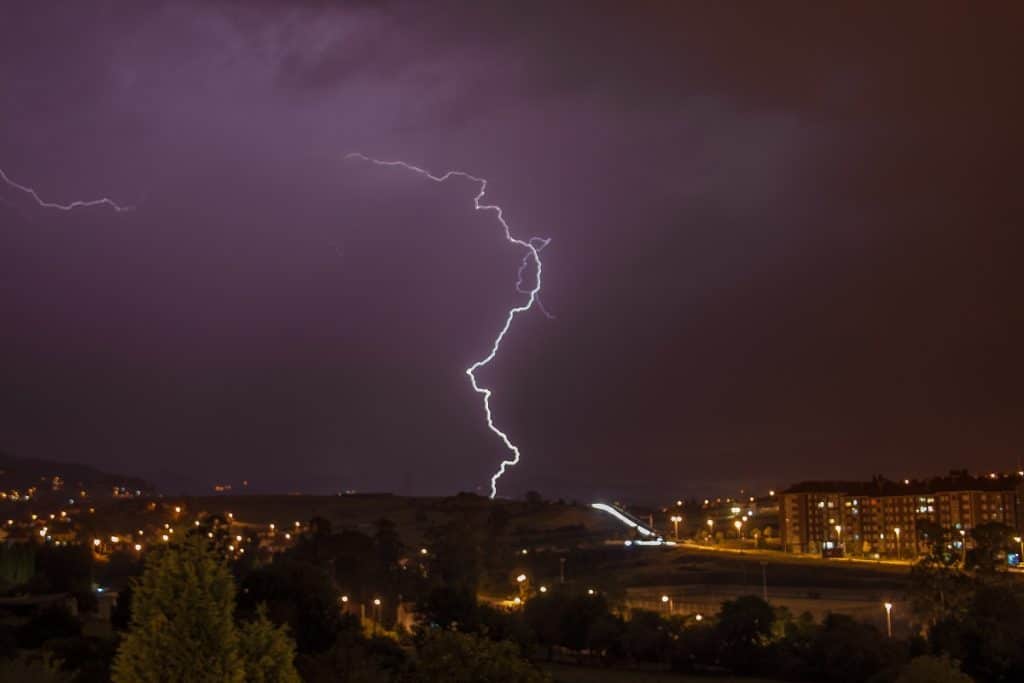
Lightning strikes are powerful events that can cause lasting electrical issues in homes. While the flash and sound are dramatic, the true risks often remain hidden in wiring and electrical systems.
Here’s a breakdown of the top electrical risks after a lightning strike and steps to safeguard your home.
For expert inspection and protection, reach out to Big Easy Electricians to keep your home’s electrical system safe and secure. Call us today!
Immediate Electrical Hazards from a Lightning Strike
A lightning strike can trigger a sudden surge of electricity that affects your home’s electrical system, leading to visible and immediate risks for wiring and appliances.
Power Surges and Circuit Overloads
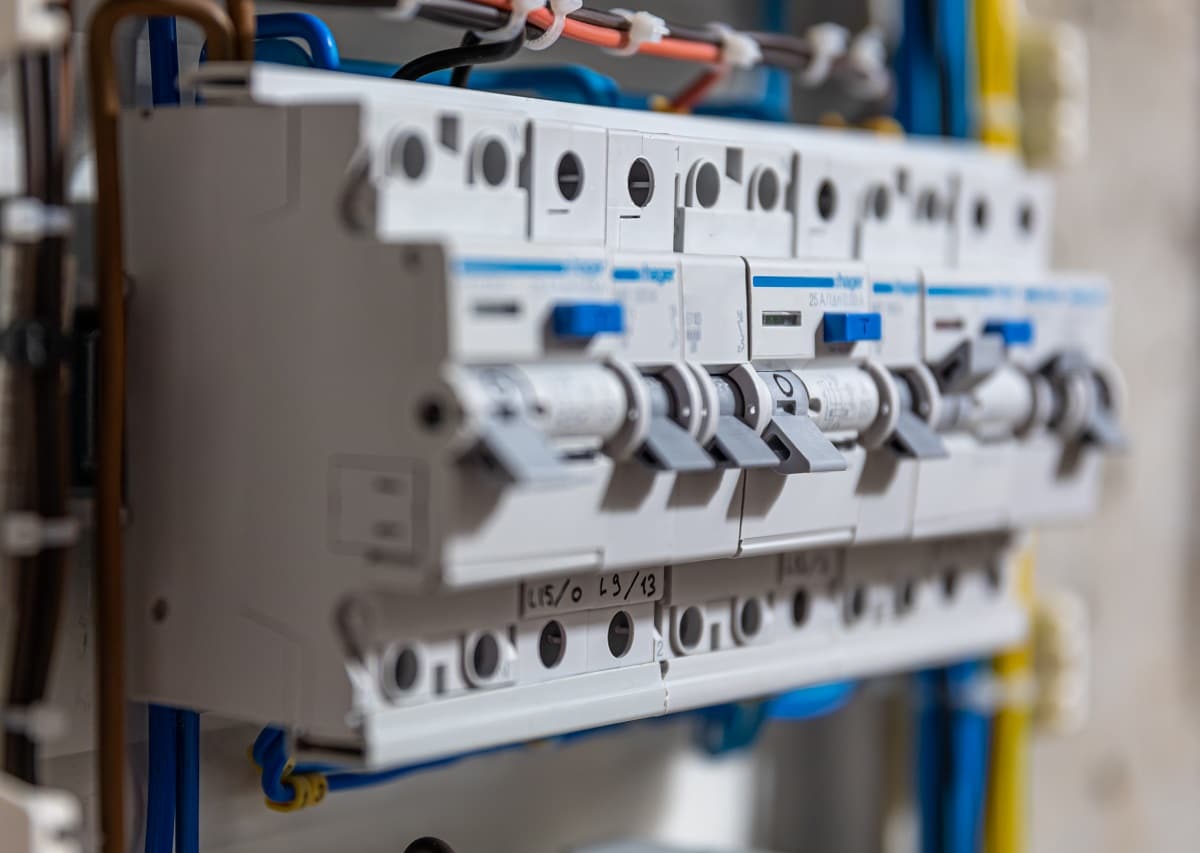 Lightning surges can overwhelm a home’s electrical protections, causing circuit breakers or fuses to trip and, in some cases, damaging wiring.
-
Breaker Trips: Circuit breakers may trip to manage surges, but extreme lightning energy can damage them.
-
Wiring Damage: High-energy surges can degrade or melt wiring insulation, leading to potential fire hazards.
These surges can also affect plugged-in devices, even those on surge protectors. After a strike, resetting breakers and testing circuits can help reveal any impact.
Damaged Appliances and Devices
Appliances and electronics are particularly vulnerable to power surges, especially those plugged in during the strike.
-
At-Risk Electronics: Commonly affected items include TVs, computers, and kitchen appliances.
-
Signs of Damage: Look for delayed shutdowns, flickering screens, or buzzing sounds.
To reduce risks in future storms, consider high-quality surge protectors for sensitive devices.
Hidden Electrical Issues After a Lightning Strike
Some electrical risks from lightning may not be obvious right away. These hidden dangers can include wiring issues that may worsen over time, posing long-term hazards if left unresolved.
Compromised Wiring and Insulation
Lightning can cause severe internal damage, melting or degrading the insulation that protects wiring.
-
Hot Spots in Wiring: Overheated areas in wiring may spark, creating fire hazards.
-
Inspection Warning Signs: Watch for unusual smells or discoloration around outlets, indicating potential damage.
Professional inspections can help catch these internal issues before they escalate.
Overheated Electrical Components
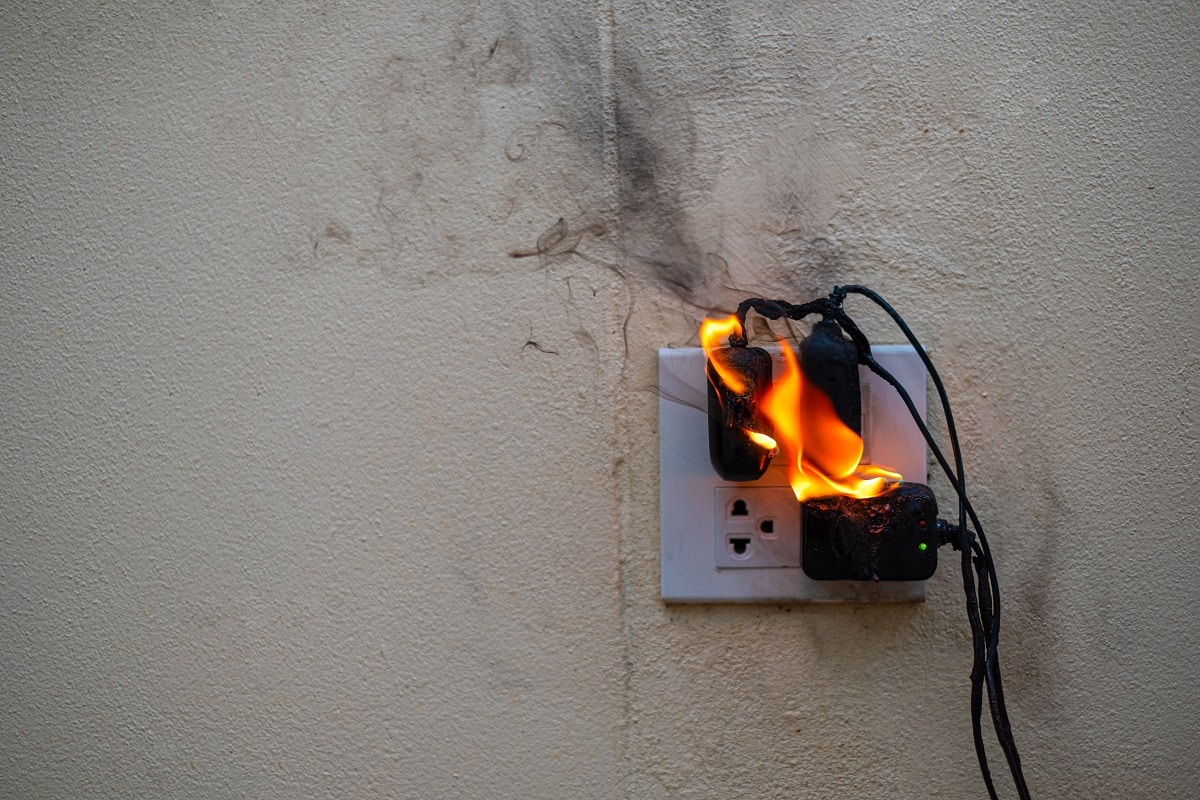 Outlets, breaker panels, and fixtures may overheat after a lightning strike, even if there are no outward signs of damage.
-
Warning Signs: Flickering lights, warm outlets, and frequent breaker trips can signal overheating.
-
At-Risk Areas: Outlets and breaker panels are particularly prone to internal heating after surges.
These symptoms indicate overheating and increase fire risk, so be vigilant about signs of damage after a strike.
Tripped Breakers and Flickering Lights
Frequent breaker trips or flickering lights after a strike can indicate circuit damage. Breakers may be trying to handle ongoing issues caused by the surge, while flickering lights can mean loose or weakened connections.
-
Common Symptoms: Look out for repeated breaker trips, flickering lights, or burning smells.
-
Cause for Concern: Multiple affected fixtures or persistent tripping should prompt an inspection.
If these issues occur in multiple fixtures, consider having an electrician examine the system.
Steps to Take After a Lightning Strike to Address Electrical Risks
Taking immediate steps after a lightning strike can help uncover damage and prevent electrical hazards.
Visual Inspection for Signs of Damage
Start with a visual inspection of key components like outlets, breaker panels, and any visible wiring.
-
Where to Look: Focus on outlets, breaker panels, and exposed wiring.
-
Signs of Damage: Scorch marks, melted components, and discoloration indicate serious issues.
Larger appliances should also be checked for odd sounds or smells, like buzzing or burning odors, which signal internal damage.
Hire a Licensed Electrician for a Full Assessment
Even if no visible damage is found, it’s wise to have an electrician conduct a full assessment. Professionals use specialized tools to detect weakened wiring, damaged insulation, and loose connections that could lead to fires or power issues.
-
What an Electrician Checks: Professionals look for weakened wiring, damaged insulation, and compromised connections.
-
Benefits of a Professional Inspection: An electrician can prevent future fire hazards, electrical shocks, and outages.
A thorough inspection ensures any necessary repairs or replacements are made after the strike.
Preventive Electrical Measures for Future Lightning Strikes
Preparing for future storms by reinforcing your home’s electrical system can help minimize risks from future lightning strikes.
Installing Whole-Home Surge Protection
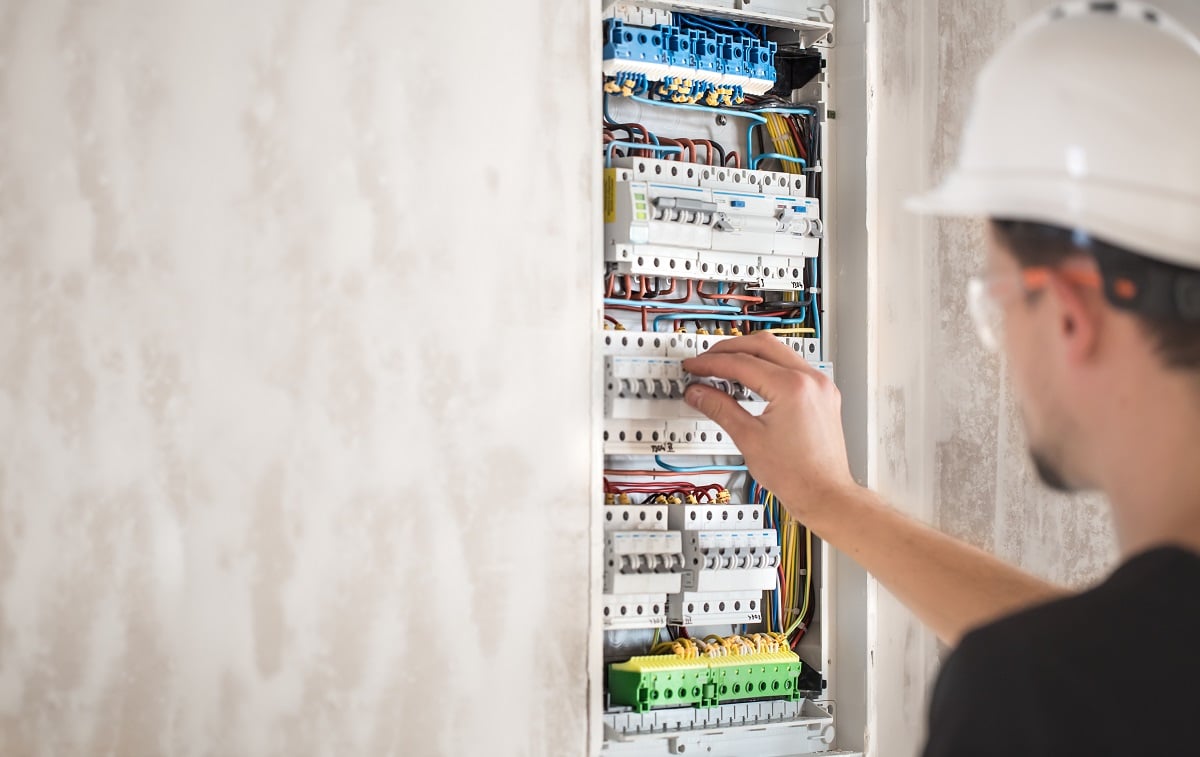 Whole-home surge protectors offer a more robust defense than basic power strips, safeguarding both wiring and connected devices from lightning surges.
-
Protection Benefit: Whole-home surge protectors help protect wiring, appliances, and devices from surges.
-
Where It’s Installed: Installed at the main electrical panel to prevent surges from spreading through circuits.
Scheduling Regular Electrical Inspections
If you live in an area prone to storms, scheduling regular electrical inspections can help catch potential issues early. These inspections uncover loose connections, worn parts, or other hidden issues.
Protecting Your Home from Electrical Risks
Addressing electrical risks after a lightning strike is a necessary step for homeowners to keep their homes and families safe. Power surges and damaged appliances are immediate concerns, while hidden wiring issues may pose long-term dangers if left unresolved.
Preventive steps, such as installing a whole-home surge protector and arranging regular inspections, can help keep your home protected in future storms.
Being proactive and consulting with a trusted electrician, like Big Easy Electricians, can improve the resilience and safety of your home’s electrical system, shielding it from unforeseen hazards after a lightning strike.
Contact us today to schedule an inspection and ensure your home is secure.